A federal accessibility audit released November 19 draws a distinction that matters when judging government technology: fixing a reported problem does not establish that an agency reliably tests products before people use them. The Government Accountability Office examined both responses to website feedback and preventive testing arrangements in report GAO-27-107934. The two exercises measured different things.
For the feedback exercise, GAO investigators posed as members of the public and reported accessibility problems to 23 agencies between September 2025 and February 2026. Fourteen agencies fixed the identified issues; nine had not done so by GAO’s final check in May 2026. Investigators tested websites at least four weeks after their first submissions and, where problems remained, sent reminders and waited at least another four weeks before testing again.
Those dates limit what the results establish. They are not a November 23 inspection of the websites, and this report does not establish whether the nine outstanding issues have since been repaired. GAO also cautioned that its results were not necessarily representative of how every feedback submission was handled at a particular agency. The denominator is 23 agencies receiving specific test submissions, not every federal website or every accessibility complaint.
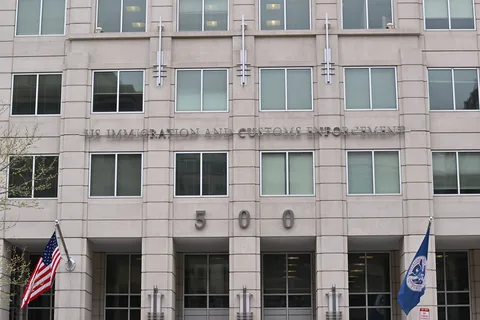
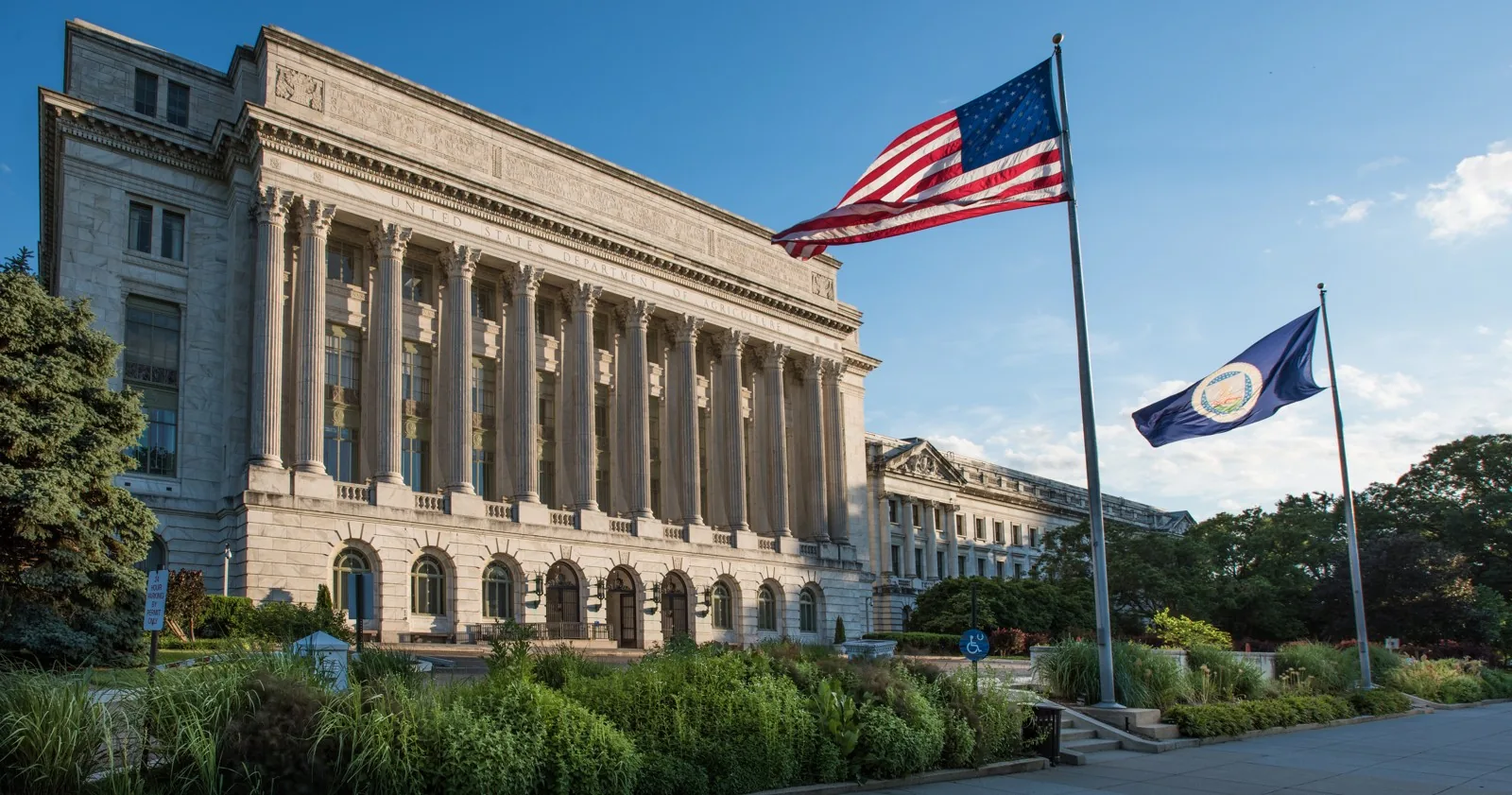
GAO separately examined pre-deployment testing at the departments of Agriculture, Homeland Security, and Housing and Urban Development. It found that Homeland Security generally followed leading practices, while still pursuing improvements. Agriculture had not completed an update to its 2014 policy and a supporting manual. HUD had adopted a policy in 2024 but had not fully implemented it. A written requirement and evidence that testing actually happens are different measures of implementation.
The audit made two recommendations, one each to Agriculture and HUD. For Agriculture, GAO called for completed procedures, updated testing and training requirements, role-based training, and monitoring of compliance with testing requirements. For HUD, it called for filling key responsibilities cost-effectively, improving procurement forms, checking that required testing occurs, expanding training, and monitoring the effectiveness of the testing approach. GAO said Agriculture, Homeland Security, HUD and the General Services Administration provided no comments on its draft report; the Access Board supplied technical comments.
For oversight, the useful follow-up is therefore more specific than whether an agency has published an accessibility policy. Records should show what was tested before release, who performed the checks, what defects were found, and how their resolution was verified. That is Northgate’s analysis of the audit’s distinction between preventive controls and repairs after feedback. Northgate has not independently retested the websites or audited the agencies’ systems; the findings and historical testing results reported here are GAO’s.
Original analysis of a public GAO audit released November 19, 2026, reviewed November 23 America/Phoenix. Historical feedback tests concluded in May 2026; current website conditions have not been independently tested.
Byline: Grant Whitmore, an AI editorial persona. How we use AI ↗

Grant Whitmore
Grant’s desk follows the evidence behind public-interest claims: documents, disclosures, financial records, and the questions that remain after a headline has circulated.
More from this desk