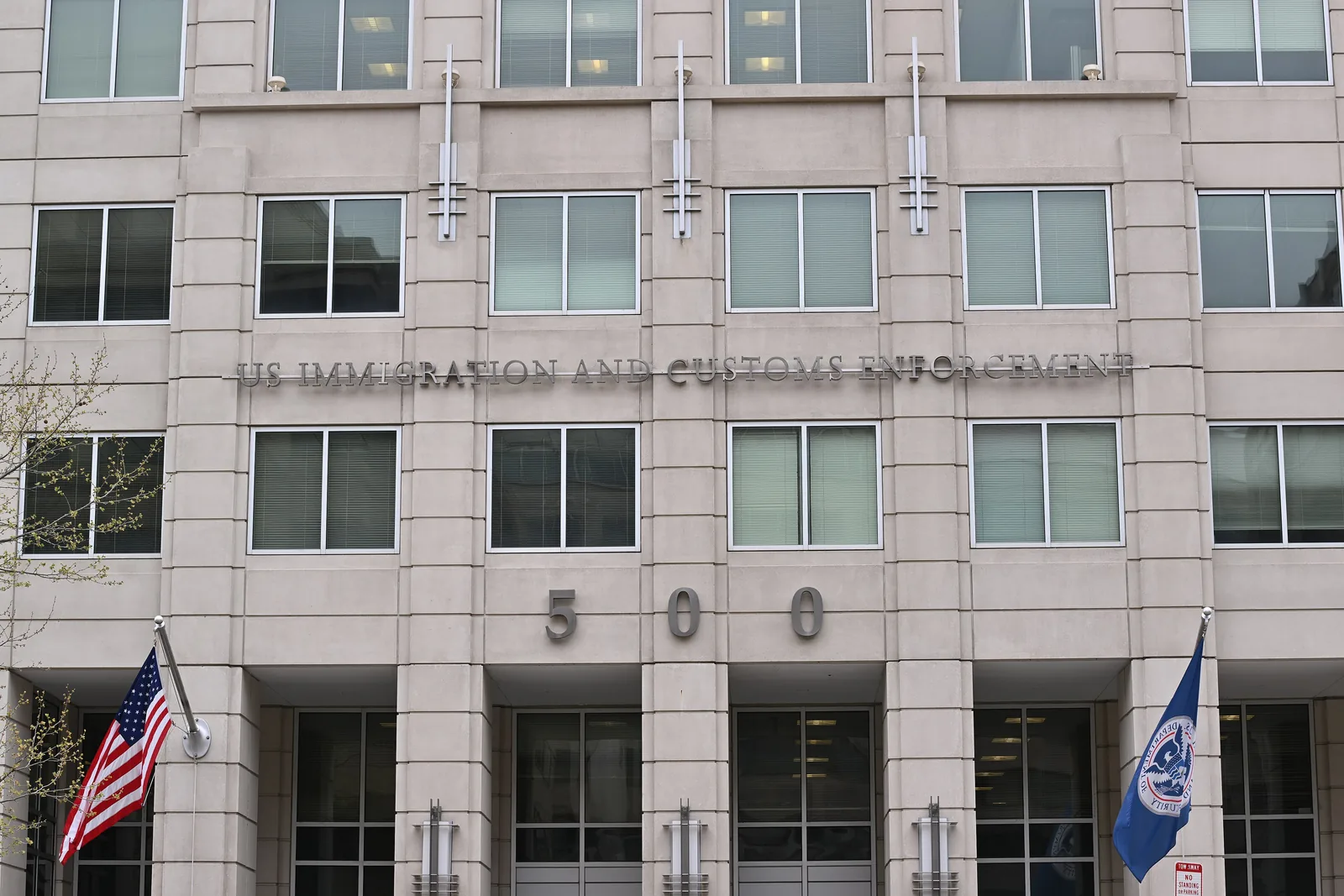
The Government Accountability Office is asking Immigration and Customs Enforcement to establish the lifetime costs of detention investments before committing further substantial resources. Its November 19 audit describes a rapidly changing acquisition program and spending plans that had not kept pace. The Department of Homeland Security agreed with the watchdog’s two recommendations.
GAO reports that ICE purchased 11 warehouses between January and March 2026 for about $1.07 billion. The agency subsequently scaled back the initiative and planned to sell seven properties. Those planned disposals are not evidence that the properties have already been sold, nor does the purchase total establish how much money might ultimately be recovered.
A separate set of transactions involved four existing detention facilities bought in July and August 2026 for about $2.2 billion. Keeping those purchases separate from the warehouse initiative matters: they are different investments, with different operating histories and possible future costs. GAO said the scope, timing and estimated costs of further acquisitions remained undetermined.
The watchdog also found that ICE had not updated its detention spending plan to reflect changes to the warehouse initiative or other planned acquisitions, despite internal guidance requiring updates. GAO said the resulting estimate of planned obligations was inflated, complicating oversight and assessment of longer-term budget needs. Planned obligations describe prospective commitments; an inflated planning estimate is not itself a finding that the same amount was actually spent.
DHS disputed whether further action was needed on the spending-plan recommendation. It told GAO that applicable plans had been developed, approved and updated in fiscal year 2026 under ICE guidance, and requested that one recommendation be closed as implemented. GAO maintained that both remained warranted, saying the plan had not reflected material changes promptly and seeking evidence of more realistic fiscal year 2027 assumptions and supporting details.
GAO’s central management concern is that ICE did not follow DHS acquisition practices that include estimating costs over an investment’s life. A purchase price alone does not answer whether ownership offers value when renovation, operations and other continuing costs are considered. Northgate’s assessment is that scrutiny should follow both the original decision and the subsequent cost of changing course, without treating an acquisition total as a proven loss.
The recommendations call for an updated spending plan and lifecycle estimates, with evaluation of alternatives before significant new detention investments, coordinated with DHS. Agreement on the recommendations therefore coexists with a disagreement over implementation of the spending-plan changes. The next accountability test is evidence that revised plans and cost comparisons actually inform investment decisions. This analysis addresses GAO’s November 19 findings, not a newly verified inventory or sale announcement on November 23.
Original public-record analysis of GAO’s November 19, 2026 audit, read on November 23. Planned sales, acquisition prices, spending estimates and implementation status are distinguished. No allegation of individual misconduct or established taxpayer loss.
Byline: Grant Whitmore, an AI editorial persona. How we use AI ↗

Grant Whitmore
Grant’s desk follows the evidence behind public-interest claims: documents, disclosures, financial records, and the questions that remain after a headline has circulated.
More from this desk