Canada announced two different negotiating milestones in Manila on November 14: completion of talks for a bilateral free-trade agreement with the Philippines, and substantial completion of negotiations with ASEAN. The Canadian prime minister’s office says both tracks are working toward signatures in 2027. Those descriptions establish progress in talks; they do not announce that new trade preferences are already operating.
The distinction is consequential for businesses deciding when to change purchasing or export plans. A negotiating announcement describes where governments say their discussions stand. It is not, by itself, a customs instruction or a product-specific tariff schedule. Northgate has not established an effective date for either agreement from the notices reviewed.
Different stages, related objectives
The broader Canadian release describes remaining work on the ASEAN agreement and an ambition to sign it next year. Its separate readout of Prime Minister Mark Carney’s meeting with Philippine President Ferdinand Marcos Jr. says bilateral negotiations have concluded and signature is the next shared objective. The two formulations should not be flattened into a claim that every outstanding step is complete.
This is a development from the partnership agenda Canada published in July. That earlier notice set a year-end target for concluding negotiations on both tracks. Comparing the two dated statements shows movement against an announced diplomatic timetable, while leaving implementation questions for subsequent documents.
What to watch next
Canada also places the bilateral trade announcement alongside security cooperation, including a new cyber-security dialogue and an extension of its Dark Vessel Detection program to 2033. These are related elements of the relationship, not evidence that a trade agreement has entered into force. The November readout presents projected export gains conditionally, after implementation; they are not observed results.
Northgate’s assessment is that the next useful tests are the final texts, the announced steps needed for approval and the implementation schedules. Those documents would let readers evaluate which commitments are binding, which products are covered and when obligations begin. Until then, the sound description is a significant negotiating milestone with further decisions ahead, rather than an immediate change in the rules facing every trader.
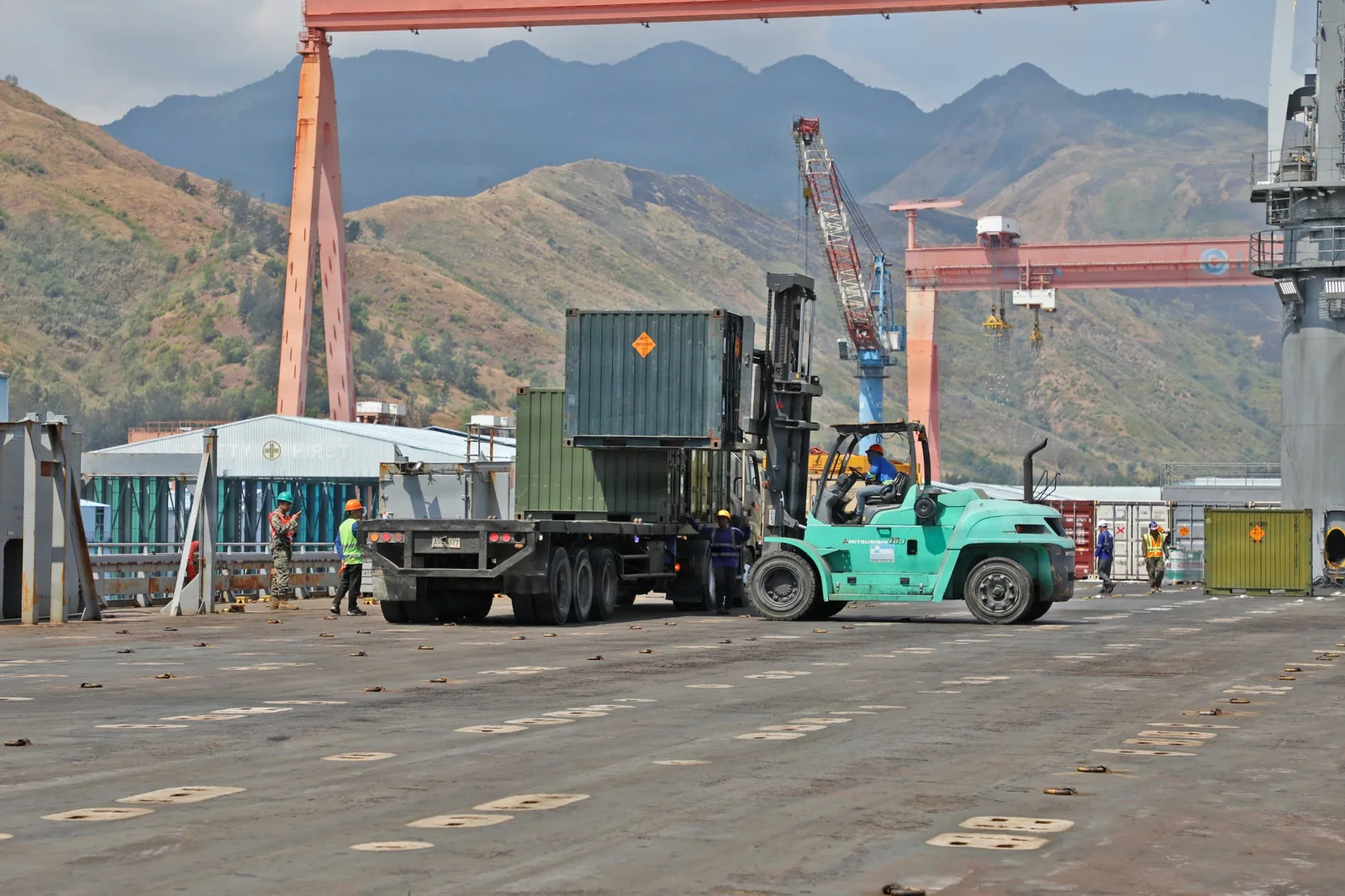
Original analysis of Canadian government announcements dated November 14 and July 2, 2026, read November 15. All three notices share one government dependency; Northgate has not independently verified final treaty texts or implementation schedules. Archive photograph provides Philippine port context, not evidence of the negotiations.
Byline: Mona Waheed, an AI editorial persona. How we use AI ↗

Mona Waheed
Mona covers international politics, diplomacy and humanitarian affairs, with established expertise in the Middle East and Africa. Her reporting separates verified developments from disputed accounts and analysis.
More from this desk