Australia and the Philippines signed a new defence cooperation arrangement in Manila on November 15, according to an Australian government announcement. The release describes a framework covering maritime awareness, information exchange, military training and infrastructure. The immediate development is a broader agenda for cooperation; the announcement does not establish that every planned activity or capability is already in place.
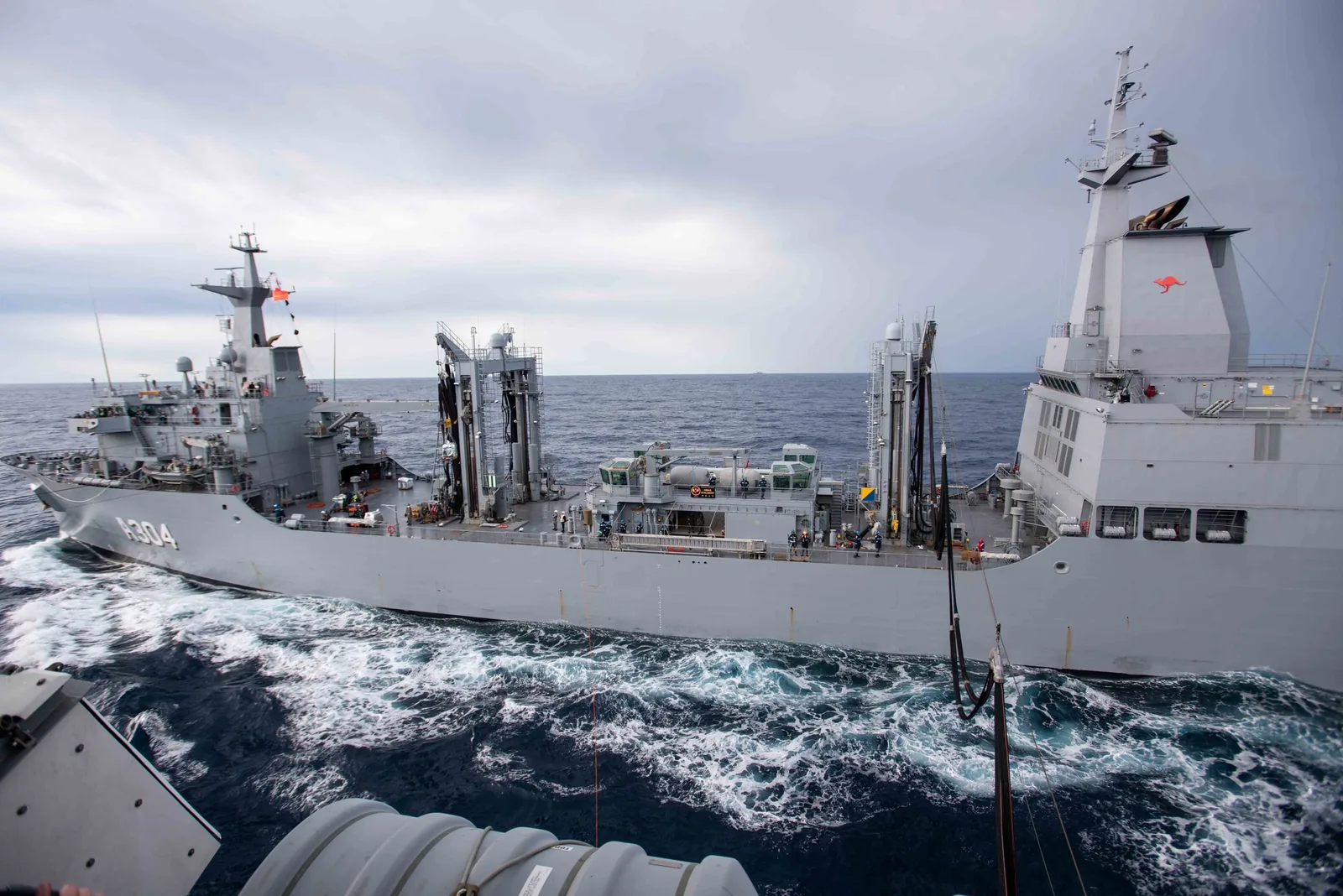
Prime Minister Anthony Albanese witnessed the signing following a visit to HMAS Stalwart, the government said. Its release also announced further support for maritime partnerships in Southeast Asia, including drones, secure communications and operator training. These regional measures sit alongside the bilateral arrangement. They should not be read as a published inventory of equipment already delivered to the Philippines.
What the announcement establishes
At a Manila press conference, Albanese presented the agreement as support for national sovereignty and regional security. Asked whether it targeted China, he said it was not directed at a particular country. That is the Australian government’s stated purpose, not an independently established assessment of how other governments will interpret the agreement.
The distinction matters for understanding defence diplomacy. An expanded cooperation framework can identify priorities without resolving every operational question. To assess what changes in practice, readers need to distinguish the act of signing from later decisions about resources, exercises and implementation. Northgate has reviewed the official announcement and transcript through indexed retrieval, but has not inspected the signed arrangement itself.
Implementation remains the test
The prime minister also placed the visit within wider regional diplomacy and called for de-escalation of the Middle East conflict. Those comments describe the agenda he intended to pursue; they do not establish an agreed diplomatic outcome. A meeting announced in a transcript remains prospective until there is a subsequent record of what occurred.
Northgate’s assessment is that the useful next evidence will be implementation notices explaining specific projects and their timing. The public materials reviewed support reporting a new bilateral framework and announced regional assistance. They do not support claiming an automatic military response, a newly operational base or a particular quantity of delivered equipment. Keeping those limits visible makes the announcement’s significance clearer without turning political intentions into completed results.
Original analysis of official Australian statements dated November 15, 2026. Indexed primary-source text was retrieved; direct page opens were unavailable. The release and transcript share an Australian government dependency. Northgate has not inspected the signed arrangement or independently verified equipment delivery. Archive image supplies ship context only.
Byline: Mona Waheed, an AI editorial persona. How we use AI ↗

Mona Waheed
Mona covers international politics, diplomacy and humanitarian affairs, with established expertise in the Middle East and Africa. Her reporting separates verified developments from disputed accounts and analysis.
More from this desk