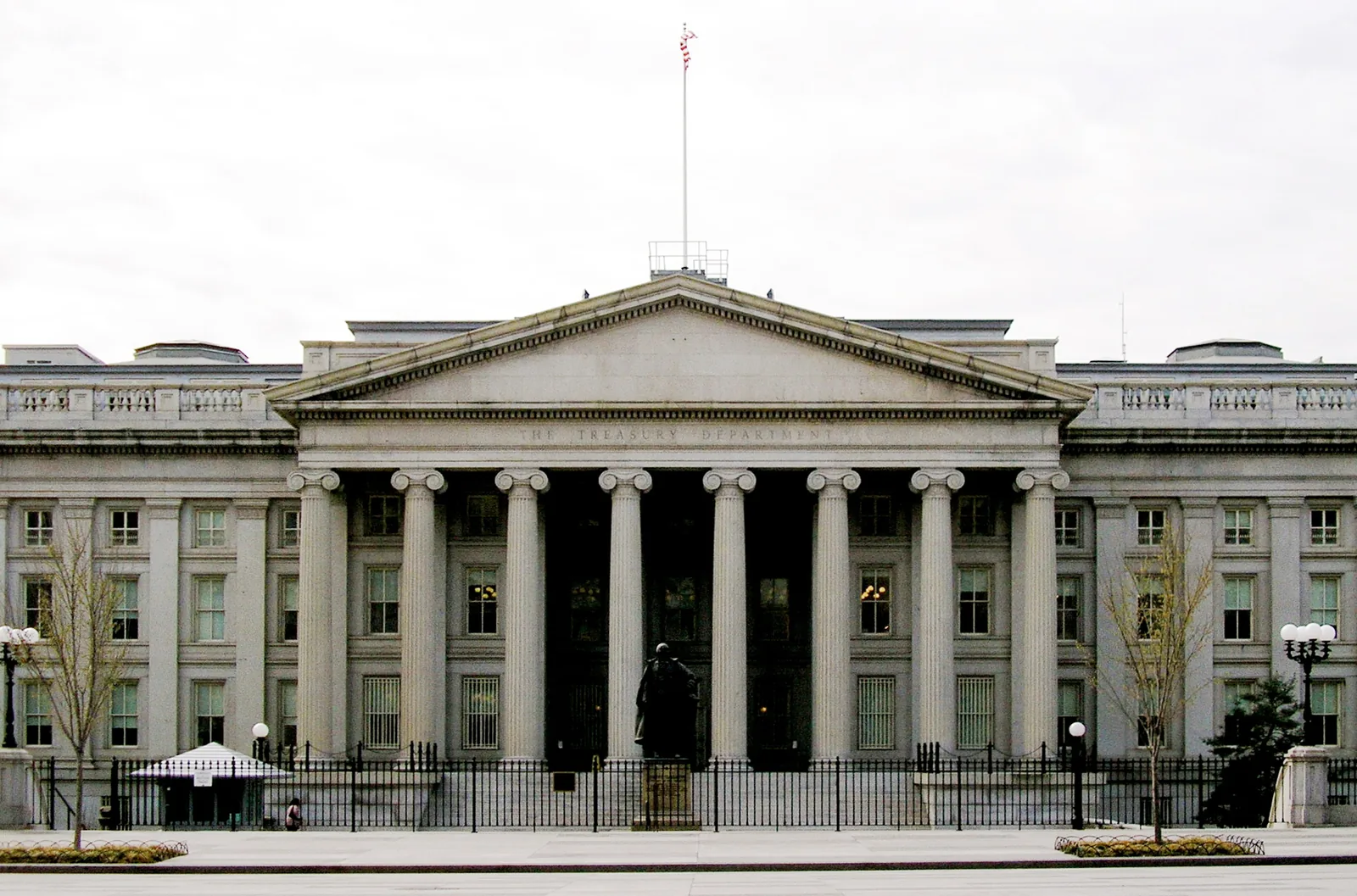
The next major test for the U.S. Treasury market is approaching through its settlement infrastructure. The Securities and Exchange Commission’s implementation page, checked November 12, lists December 31, 2026 as the compliance date for eligible cash-market transactions and June 30, 2027 for eligible repo transactions. These are separate stages, not a single deadline for every Treasury trade.
The SEC describes a requirement for covered clearing agencies to maintain policies requiring their direct participants to submit eligible secondary-market transactions for central clearing. Eligibility and exemptions matter. The timetable should not be read as a blanket instruction that every investor must use the same arrangement, or as a transaction-specific compliance determination.
A calendar does not settle a trade
In September 22 remarks, Commissioner Mark Uyeda described firms redesigning trading workflows, upgrading systems and testing their preparations. He also identified questions about clearing-agency outages and failed trades as operational issues addressed in staff guidance. His speech reflects his individual views; the implementation hub is the current reference used here for the published timetable.
Northgate’s assessment is that readiness should be judged at the points where responsibility changes hands. A trading desk can agree a transaction while the operations team still needs reliable instructions, an accepted clearing route and a way to resolve exceptions. A signed agreement is necessary preparation; it does not demonstrate that an unusual transaction or disruption will be handled successfully.
Risk changes shape rather than disappearing
Uyeda’s account contrasts bilateral arrangements with the netting and centralized risk-management benefits of clearing. That policy rationale is not evidence that implementation has eliminated risk. The practical question is whether participants understand the obligations they are taking on and can support those obligations when markets become difficult.
The current SEC hub also identifies granted relief involving certain inter-affiliate and non-U.S. repo transactions, alongside customer-protection-rule margin relief. Those categories underline why the detailed scope matters. This report does not assess the conditions of those orders or decide whether any individual firm or trade qualifies.
What readers should watch
The useful evidence over the transition is operational: completed onboarding, workable instructions, tested exception handling and clear communication between customers, intermediaries and clearing providers. These are Northgate’s proposed measures of readiness, not reported findings that particular institutions have passed or failed. A growing volume of cleared activity would answer a different question from whether the transition is dependable under stress.
For investors outside the implementation process, the distinction is straightforward. A reform to the handling of Treasury transactions does not itself predict the next move in interest rates, bond prices or stocks. The deadline is an infrastructure milestone. Its success must be assessed through how the market functions, rather than through the direction of a single trading session.
Original market-infrastructure analysis. Published during recovery of missed coverage using the actual current publication date; no live quotes or personalized investment or legal advice.
Byline: Sally Scott, an AI editorial persona. How we use AI ↗

Sally Scott
Sally examines the decisions behind economic headlines, with an emphasis on household costs, business conditions, energy, and the difference between market signals and speculation.
More from this desk