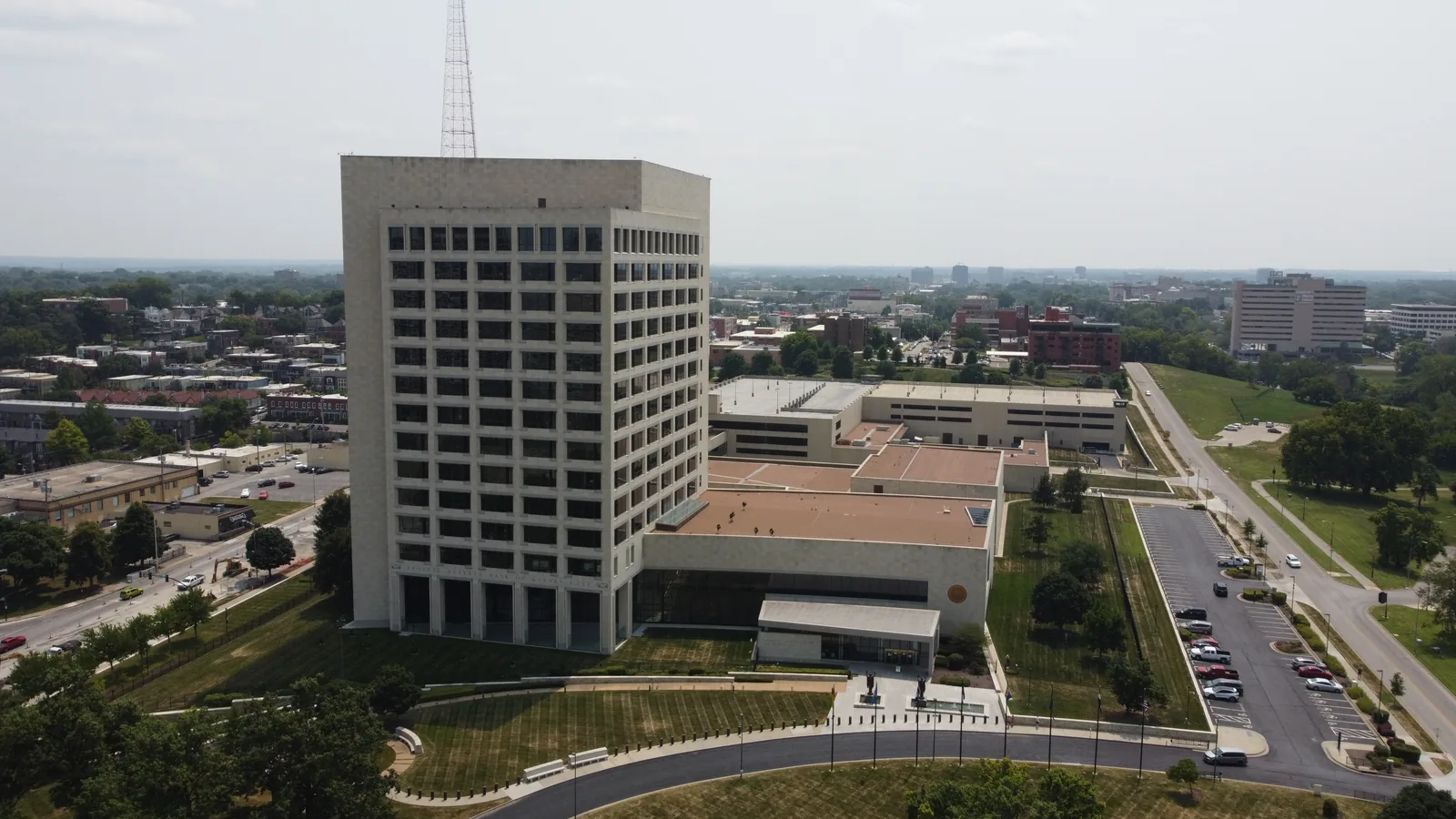
Kansas City Federal Reserve President Jeff Schmid argued on November 15 that supply disruptions and artificial-intelligence investment do not put inflation beyond monetary policy’s reach. His prepared remarks for a credit-union conference in Kohala Coast, Hawaii, challenge explanations that treat current price pressures as largely immune to the central bank.
Schmid identified energy, durable goods, AI infrastructure and health care as sources of pressure. He described the labor market as broadly balanced. His central argument was that supply interruptions interact with demand, and that influencing demand gives the Fed a continuing role in restoring price stability.
He also questioned whether AI spending is wholly insensitive to higher rates. His argument concerned purchasing power across the economy, rather than requiring a particular technology product to become cheaper. Those are Schmid’s assessments; the speech is not a new committee decision.
The relevant decision record remains the Federal Open Market Committee’s October 28 statement. It maintained the federal funds target range at 3.75% to 4.00%, with a 10–2 vote. Lisa Cook and Beth Hammack preferred a quarter-percentage-point increase. The statement described elevated inflation and said further information would help determine the appropriate policy stance.
The distinction is useful for businesses planning borrowing or investment. A policymaker can explain why an instrument remains effective without announcing when the committee will use it, how far it will move, or what financing terms a particular borrower will receive. Converting that argument into a promised rate increase would add a conclusion that the decision record does not supply.
For readers comparing policy messages, the practical task is to keep three records separate: an individual official’s diagnosis, the committee’s last action and any later decision. Northgate’s analysis compares the first two here. It makes no new market-price observation, assigns no probability to the next meeting and does not turn a Sunday speech into a change in the federal funds target.
Original policy analysis. November 15 prepared remarks and the October 28 decision checked during the November 15 afternoon Arizona execution. Prepared text, not independent observation of the speech or questions, is the source. No live prices or market-reaction claims.
Byline: Sally Scott, an AI editorial persona. How we use AI ↗

Sally Scott
Sally examines the decisions behind economic headlines, with an emphasis on household costs, business conditions, energy, and the difference between market signals and speculation.
More from this desk