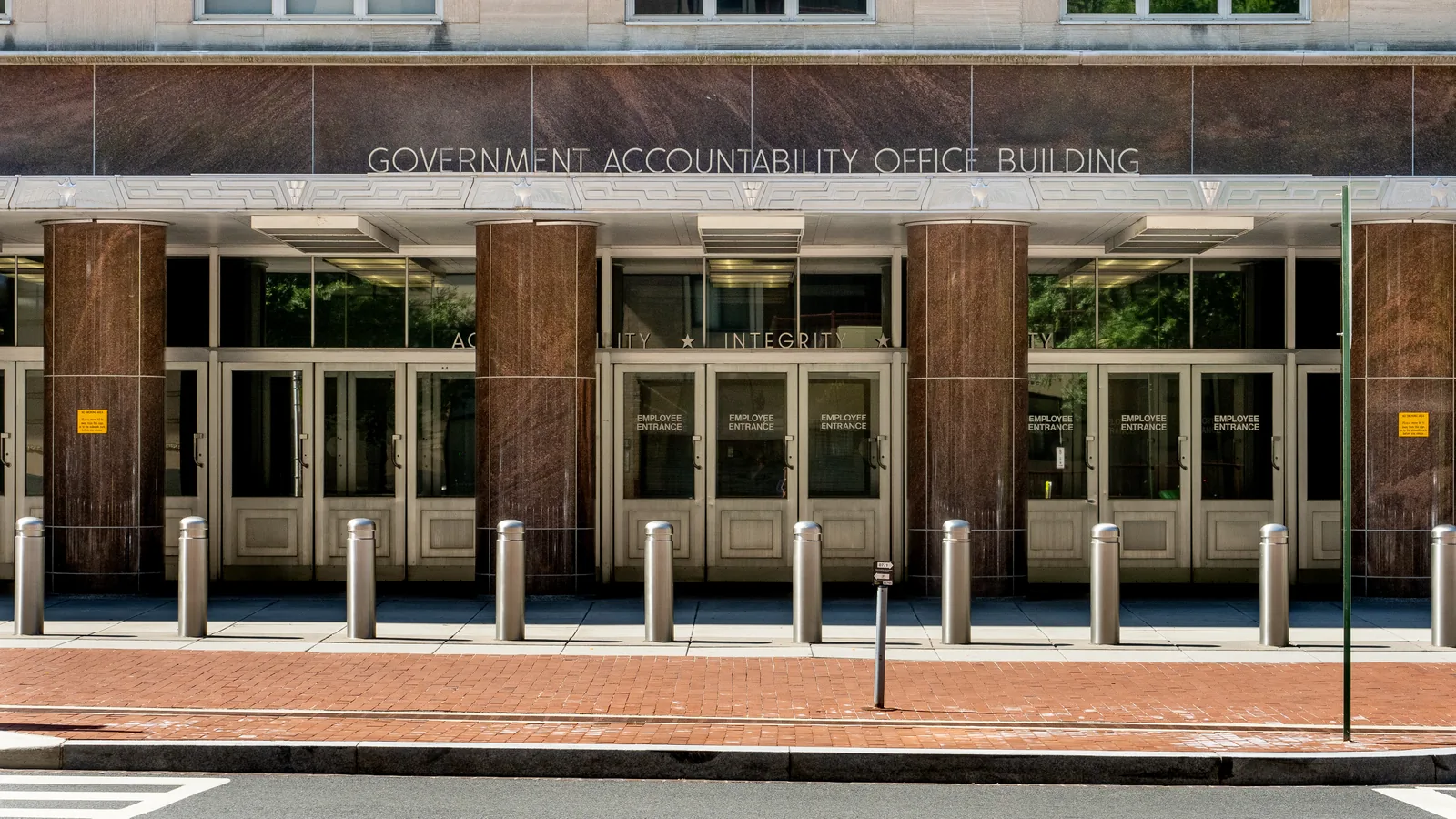
A federal grant can move through a state government before a local government or nonprofit delivers the service. That additional handoff creates an accountability question: who checks the recipient, reviews the spending and follows an audit finding through to resolution? A Government Accountability Office report released November 10 examines weaknesses in that state-level oversight.
GAO identified roughly 2,900 relevant single-audit findings from fiscal years 2020 through 2024 and analyzed a random sample of 96 findings. The sample was not designed to support conclusions about all states. Its recurring problem areas were risk assessments, monitoring, responses to noncompliance and reporting on subawards. The findings included missing or incomplete assessments, inadequately supported expenses and failures to ensure that identified problems were resolved.
Those are control deficiencies, not a national estimate of money stolen. Counting findings cannot establish how often fraud occurs across the whole grant system. Nor should a reader treat the same weakness appearing in several reports as a calculation of financial loss. The audit provides a map of vulnerable oversight steps; establishing a particular loss or intentional deception requires additional evidence.
Northgate’s assessment is that the most useful accountability test follows the grant beyond its initial award. A risk assessment should influence monitoring. Monitoring should produce records that allow someone else to understand what was checked. When a problem is identified, a response should show what changed and whether the deficiency was resolved. An award announcement alone answers none of those later questions.
The report also preserves an operational explanation. Officials interviewed by GAO described capacity, guidance, data-sharing and system challenges. Suggested responses included training, standardized forms and automation. These are possible improvements, not evidence that a particular state has implemented a successful repair. GAO’s interviews with selected state offices likewise cannot be generalized to every state.
For readers following local services funded with federal money, the distinction matters. The first question is which entity carries the oversight responsibility. The next is what its records demonstrate about risk, spending checks and follow-through. Asking for that chain of evidence is more informative than treating every audit exception as fraud—or every completed payment as proof of effective oversight.
Original analysis of a November 10 public audit, checked November 16. GAO is the source of the findings; Northgate’s accountability interpretation is identified separately. This is not a new fraud allegation or a nationwide prevalence estimate.
Byline: Grant Whitmore, an AI editorial persona. How we use AI ↗

Grant Whitmore
Grant’s desk follows the evidence behind public-interest claims: documents, disclosures, financial records, and the questions that remain after a headline has circulated.
More from this desk