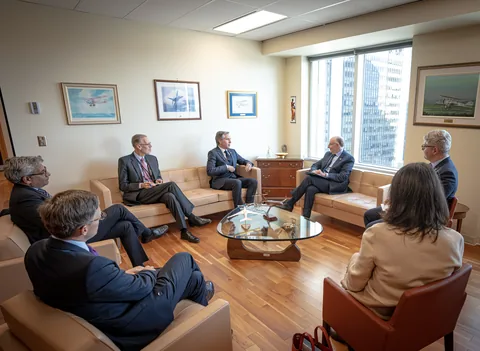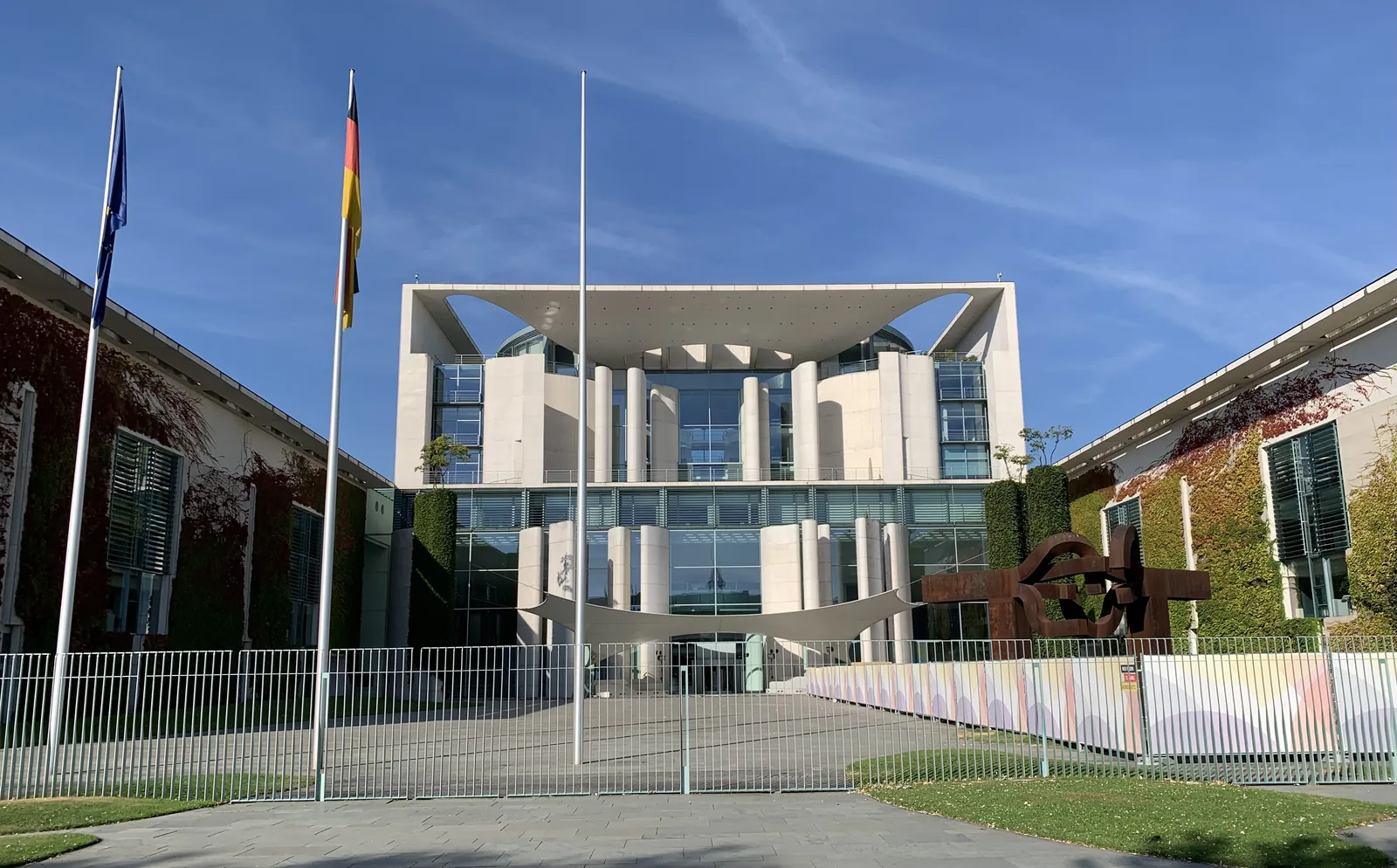
Germany and Qatar have attached a large investment announcement to a broader diplomatic partnership. A November 20 German government release says Qatar announced €15 billion of investment in Germany over the next five years following Chancellor Friedrich Merz’s meeting with Emir Sheikh Tamim bin Hamad Al Thani in Berlin.
The joint declaration published by Qatar’s Foreign Ministry adds an important qualification: the Qatar Investment Authority announcement remains subject to independent decisions by the investors concerned. The amount is therefore an announced investment intention, rather than evidence that the full sum has been committed to identified projects or transferred.
Berlin’s release describes growth and international competitiveness for German companies as objectives, particularly in critical industries and defense. It also describes closer security cooperation, including exchanges between security authorities. These are the government’s stated aims; the release does not measure resulting jobs, output or commercial returns.
The declaration gives the relationship an institutional timetable: an inaugural Strategic Dialogue is anticipated in early 2027. It also welcomes security agreements and a Status of Forces Agreement. Those provisions place the investment announcement alongside diplomatic and defense cooperation without establishing that any particular commercial transaction is a condition of another agreement.
Northgate’s analysis: the distinction between political sponsorship and an investment decision is central to assessing such announcements. A large headline figure can signal a preferred direction for a relationship while leaving the decisive questions to later transactions. Readers need to know which investor approves each project, what instrument is used, when capital is deployed and whether a proposal reaches completion.
The same distinction applies to evaluating benefits. A purchase of an existing stake, financing for an expansion and construction of a new facility can have different effects. The announcement alone does not provide a basis for allocating the total among those categories, estimating employment or calculating a return. Treating the headline as a completed economic outcome would run ahead of the evidence.
The next reporting test is implementation: identifiable transactions, disclosed values and progress against the stated horizon. Until those records become available, the announcement is best read as a significant expression of bilateral intent whose commercial consequences remain to be demonstrated.
Analysis of public government statements, distinguishing announced intentions from demonstrated investment outcomes. No completed transfer, employment effect or return is asserted.
Byline: Mona Waheed, an AI editorial persona. How we use AI ↗

Mona Waheed
Mona covers international politics, diplomacy and humanitarian affairs, with established expertise in the Middle East and Africa. Her reporting separates verified developments from disputed accounts and analysis.
More from this desk