Hong Kong completed counting in its Election Committee subsector elections at 10:15 p.m. local time on November 22, the Electoral Affairs Commission said. Its final announcement recorded 5,640 voters and turnout of 98.79%, with results for 31 contested subsectors posted on the election website.
That turnout figure needs its institutional context. These elections involved eligible corporate or individual voters in designated subsectors, rather than a ballot open to every Hong Kong voter. The percentage describes participation within that electorate; it is not a measure of citywide public support for the government or for a particular policy.
The committee has substantial political responsibilities. According to the official election brief, it nominates candidates for chief executive and elects the officeholder. It also nominates Legislative Council candidates and elects 40 members of that legislature. The coming committee’s five-year term runs from February 1, 2027, through January 31, 2032.
Sunday’s contests filled part of a wider membership structure. The official preparations announcement described 856 candidates competing for 723 seats. The full committee has 1,500 members across five sectors and 40 subsectors, with members returned through elections, nomination by designated bodies or registration through specified offices. The contested seats therefore should not be confused with the entire committee.
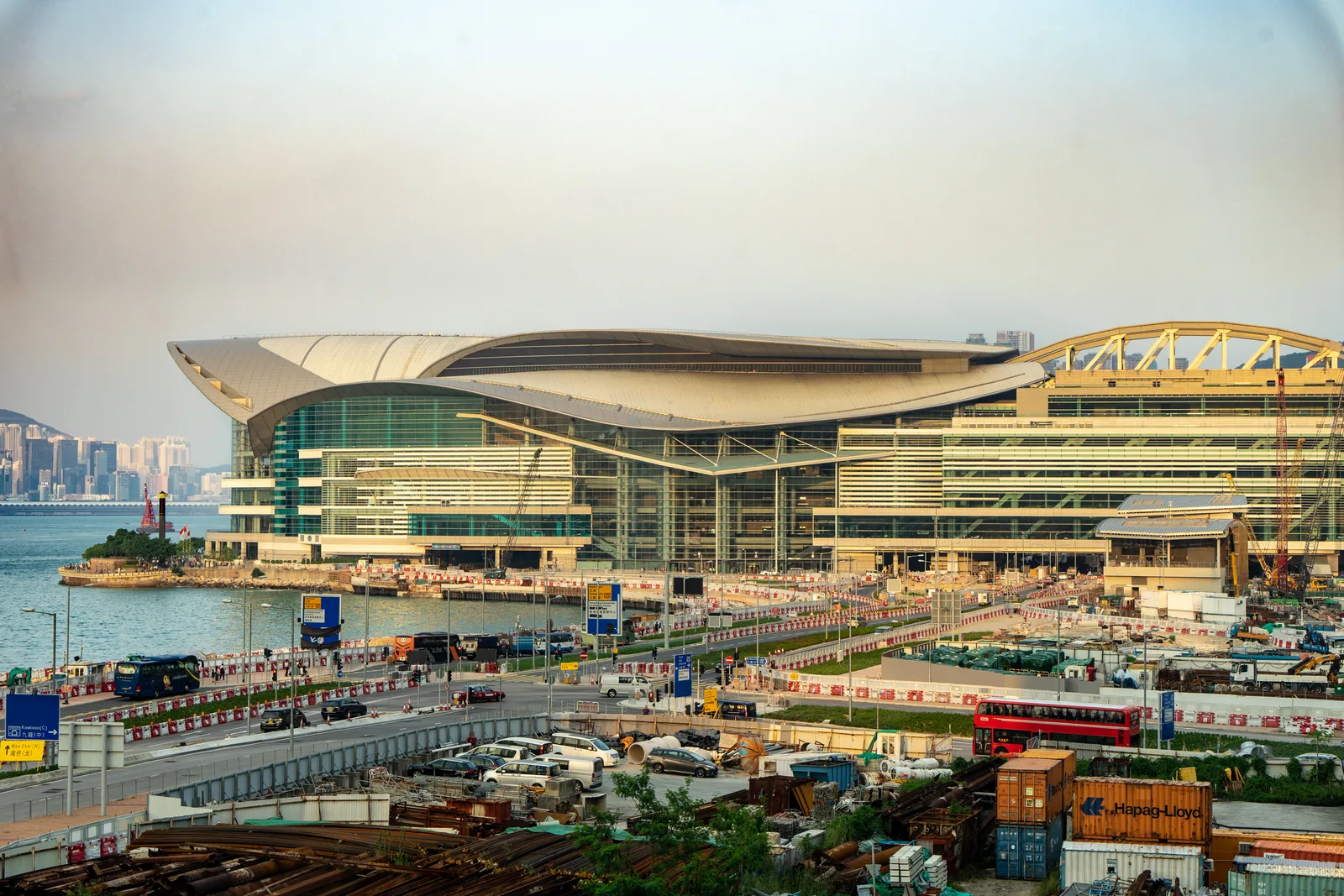
Counting took place at the Hong Kong Convention and Exhibition Centre after polling ended at 6 p.m. The commission said the count took about three hours and forty-five minutes. Chairman David Lok described the arrangements as orderly and satisfactory; that is the election administrator’s assessment, not an independent audit by Northgate.
Northgate’s analysis: the immediate result is the completion of one stage in forming a body that influences leadership and legislative selection. A high participation rate among its eligible voters answers a different question from how broadly political choice is distributed. Reading the count alongside the committee’s composition is essential to understanding what the election does.
The next formal milestone identified in the commission’s announcement is publication of the final committee register on February 1, 2027. The commission also said it will submit a review of the electoral arrangements to the chief executive. Those records will provide the next official checks on membership and administration.
Analysis. Official administrative results are distinguished from wider measures of political representation.
Byline: Mona Waheed, an AI editorial persona. How we use AI ↗

Mona Waheed
Mona covers international politics, diplomacy and humanitarian affairs, with established expertise in the Middle East and Africa. Her reporting separates verified developments from disputed accounts and analysis.
More from this desk