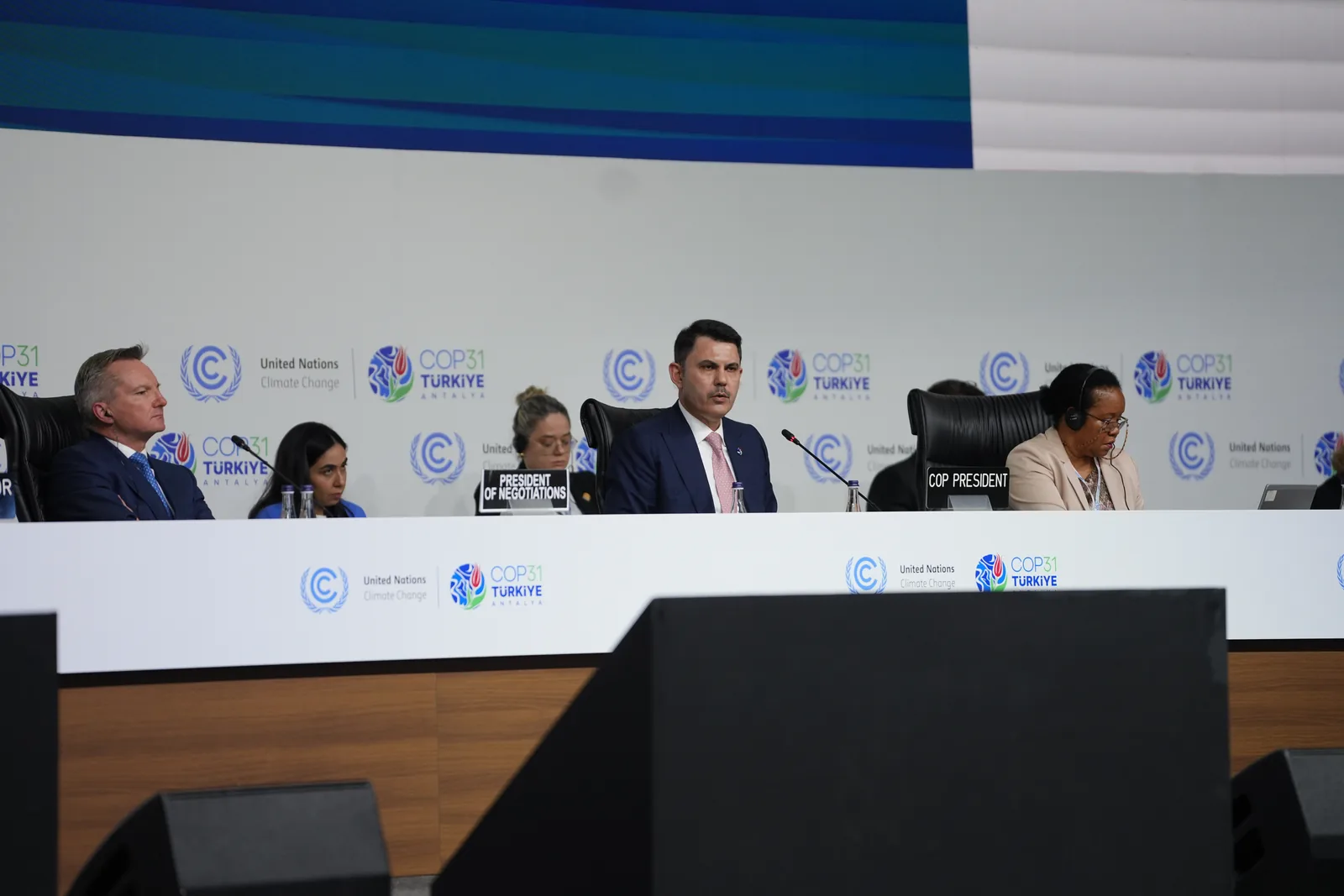
COP31 closed in Antalya, Türkiye, on November 22 without agreement on its main political pact, following divisions over fossil-fuel language. UN News reported that the European Union objected to a cover decision that omitted fossil fuels, while Panama and the Marshall Islands also withheld support. The conference had been scheduled to finish on November 20.
That breakdown did not mean every negotiating item failed. In his November 22 closing remarks, UN climate chief Simon Stiell distinguished the inability to agree on issues related to both presidency-led decisions from negotiating decisions that had been made, including on Just Transition. His account supports that distinction; it does not establish the detailed obligations contained in every adopted text.
Stiell also pointed to work under the separate Action Agenda, including electrification initiatives, and called for lessons about transparency, participation and reform of the process. Those were his assessment and proposals. Claims that initiatives will produce investment or faster change should be tested against subsequent delivery, rather than treated as outcomes already achieved.
The institutional distinction matters. UNFCCC describes the conference as negotiations among treaty parties, alongside a complementary action track involving businesses, cities, states and civil society. Its published agenda included adaptation, emissions, finance and a transition that accounts for workers and communities. Agreement or activity in one part of that structure cannot automatically stand in for agreement across the whole conference.
Northgate’s analysis: the immediate diplomatic problem is how to preserve useful work without obscuring the unresolved political choices. A headline announcing total failure would erase the decisions Stiell identified. A headline announcing an agreed overall settlement would go beyond the recorded outcome. Neither would give readers a reliable basis for judging what governments have committed to do.
The next assessment should therefore distinguish adopted decisions, proposals left without consensus and voluntary initiatives. For each, the practical questions are who must act, what resources are available and what evidence will show implementation. This report does not infer financing commitments, enforceable duties or emissions reductions from a closing speech. Those require examination of the relevant final records and subsequent action.
Analysis of the November 22 closing outcome. Statements about negotiating decisions are attributed to Stiell; this report does not claim to have verified every final decision text or implementation result.
Byline: Mona Waheed, an AI editorial persona. How we use AI ↗

Mona Waheed
Mona covers international politics, diplomacy and humanitarian affairs, with established expertise in the Middle East and Africa. Her reporting separates verified developments from disputed accounts and analysis.
More from this desk