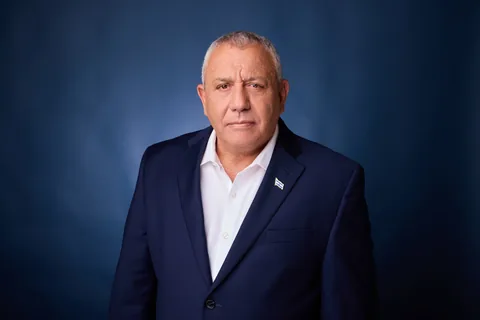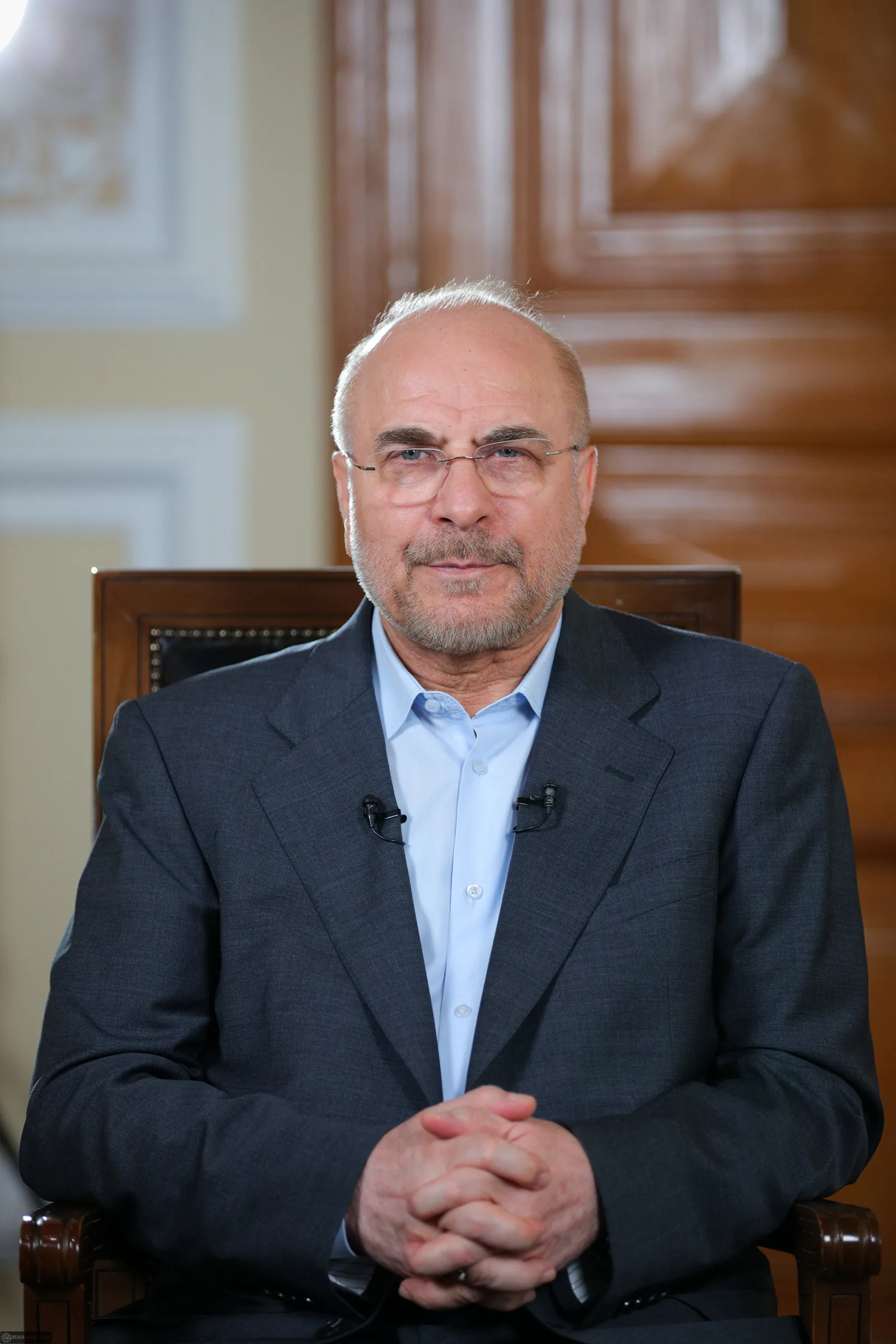
Iran’s parliament speaker and army commander linked negotiations and control of the Strait of Hormuz to Tehran’s conditions on November 24. AP, in a report carried by The Times of Israel, attributed Mohammad Bagher Ghalibaf’s refusal to negotiate before seven conditions were met to Iranian state television. Separately, Iran International reported Amir Hatami instructing the navy to tighten control of the strait until the conditions were fulfilled, citing state media.
The AP account said Iranian authorities had not publicly stated the complete conditions. It identified sanctions relief, an end to the blockade of Iranian ports and release of seized Iranian assets among demands described by state media. That is a partial account of Tehran’s position, not a complete negotiating document or evidence of U.S. acceptance.
Hatami’s remarks, as reported by Iran International, presented the waterway as a source of Iranian geopolitical power. The reported instruction concerned increasing restrictions. It did not provide independently verified information about commercial movements or establish the safety of any route. This report does not validate separate claims about vessels striking mines or identify an attacker.
Northgate’s analysis is that the statements place sequencing at the center of the dispute. Conditions described as necessary before negotiations create a different problem from issues reserved for discussion during negotiations. The immediate question is therefore whether the relevant parties can accept a sequence that allows substantive talks and practical maritime arrangements to begin.
Three kinds of evidence should remain separate. An attributable speech establishes a stated position. An accepted text can establish what the parties have agreed. Dated operational records can show whether the agreed measures are being implemented. A report satisfying the first test cannot automatically satisfy the other two, even when its language is emphatic.
The available accounts do not supply a complete numbered list of seven conditions or an attributable U.S. response to each item. Readers should not fill those gaps by treating every phrase in a news report as a separate agreed term. The next useful records would be the complete proposals, responses from the relevant governments, and operational notices documenting any resulting change for shipping. Until then, the November 24 statements add evidence of Iran’s announced position, rather than proof of a settlement or an operational reopening.
Original analysis based on two independently published reports, accessed November24. Northgate did not directly observe the speeches. Complete numbered conditions and a U.S. response to each item were not verified. No present navigation-safety, mine-event or completed agreement claim.
Byline: Mona Waheed, an AI editorial persona. How we use AI ↗

Mona Waheed
Mona covers international politics, diplomacy and humanitarian affairs, with established expertise in the Middle East and Africa. Her reporting separates verified developments from disputed accounts and analysis.
More from this desk