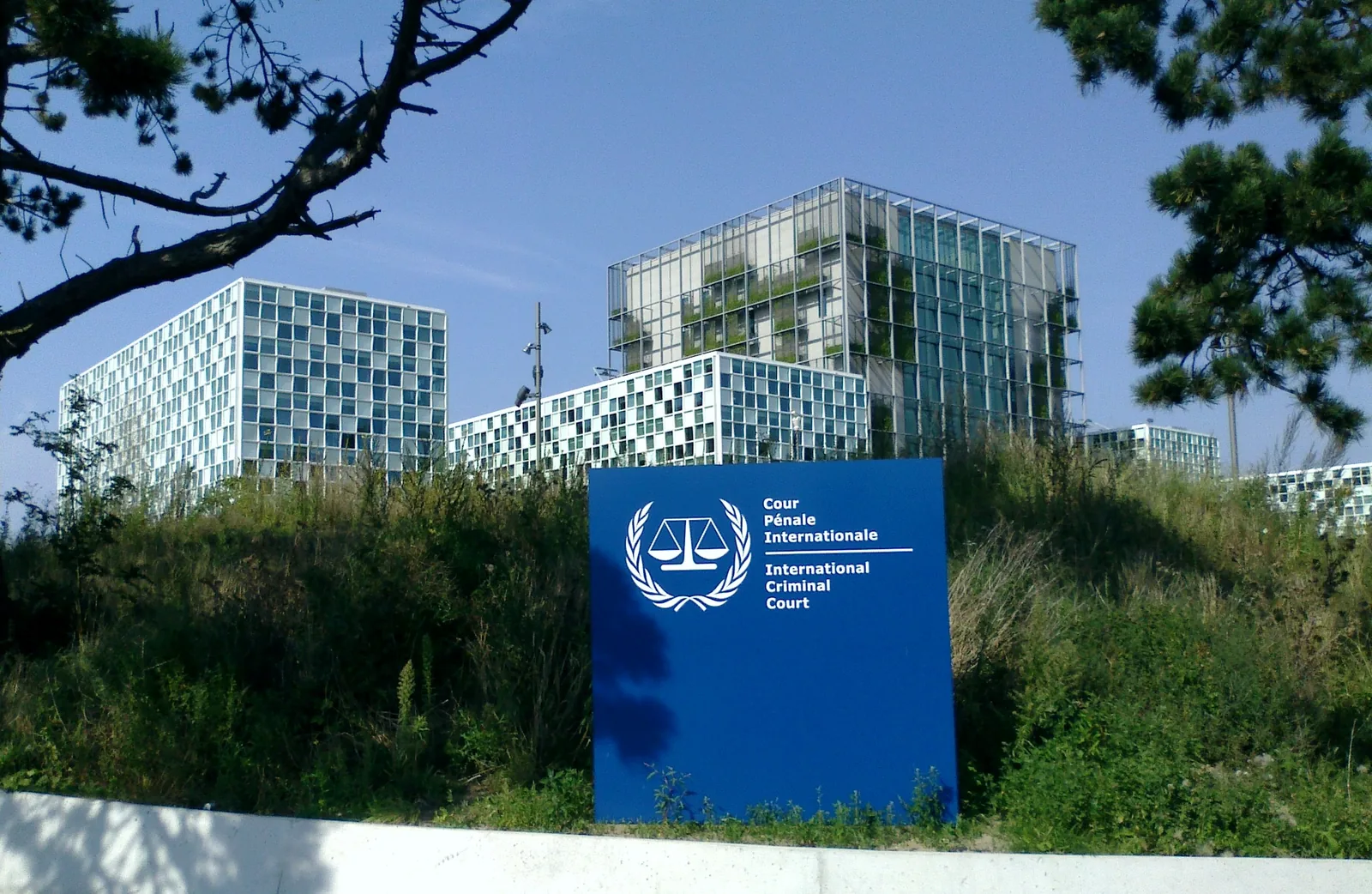
Tajikistan has notified the United Nations that it is leaving the treaty establishing the International Criminal Court, but the recorded departure date is still a year away. The UN depositary notice lists November 20, 2026 as the notification date and November 20, 2027 as the date the withdrawal takes effect. Describing the decision as an immediate exit misses that central distinction.
The notice, numbered C.N.506.2026, applies Article 127(1) of the Rome Statute. That provision gives a withdrawal notice a one-year interval before it takes effect, unless a later date is specified. The document is evidence of a treaty action and its timetable. It is not a judgment in a criminal case, and it does not decide whether any individual has committed an offence.
The European Union responded on November 23 by urging Tajikistan to reconsider and reverse its decision. Its statement defended the court’s role in accountability for serious international crimes and said the EU would continue engaging with Tajikistan. This establishes a diplomatic position and an intention to keep talking; it does not establish that Tajikistan has agreed to change course.
The presidency of the Assembly of States Parties issued a separate statement the same day, encouraging Tajikistan to remain within the treaty and raise its concerns through the Assembly. The Assembly is the court’s management oversight and legislative body. Its presidency’s appeal is therefore an institutional response from treaty members’ representatives, rather than a judicial ruling compelling Tajikistan to remain.
Both statements also stress that withdrawal does not erase obligations arising while a country was a party. The EU specifically recalls cooperation duties connected with investigations and proceedings initiated before withdrawal becomes effective. A decision to leave and the treatment of earlier obligations are consequently different questions. Neither statement supports a blanket claim that a withdrawal notice cancels every existing responsibility.
The practical issue for readers is to track the diplomatic decision, the effective date and any particular proceeding separately. The UN notice fixes the timetable; the EU and Assembly presidency explain why they oppose the move. Those documents do not supply Tajikistan’s detailed explanation or resolve how a specific case will be handled. This report makes no finding about an individual suspect or a pending arrest request.
Original analysis of the November 20 UN depositary notice and November 23 EU and Assembly presidency statements, accessed November 25, 2026. No immediate withdrawal, reversal, specific case disposition or individual culpability is asserted.
Byline: Mona Waheed, an AI editorial persona. How we use AI ↗

Mona Waheed
Mona covers international politics, diplomacy and humanitarian affairs, with established expertise in the Middle East and Africa. Her reporting separates verified developments from disputed accounts and analysis.
More from this desk