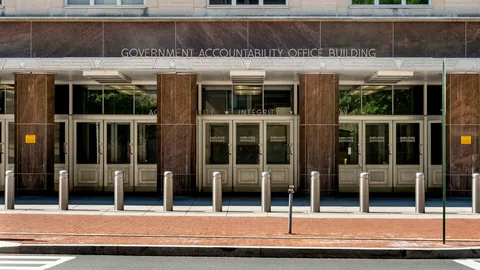
A federal technology risk label can look reassuring while leaving an important question unanswered: what evidence, from which date, supports it? An October 7 Government Accountability Office audit found greater risk than agency ratings indicated for 24 of 53 selected investments. Assessments matched in 27 cases; GAO found less risk in two.
The comparison examined April 2025 chief information officer ratings, using primarily March 2025 risk documentation. GAO selected investments at 12 agencies from fiscal 2025 development-spending data. These are historical, selected cases, not a current census of federal technology performance.
GAO also found 21 ratings had not been updated on time under agencies’ own processes. Its final report made 17 recommendations to nine agencies. Five agreed; Homeland Security split its response; Commerce and Defense disagreed; Treasury took no overall position.
Disagreement belongs in the record
Treasury argued that different assessment methods need not mean its ratings were inaccurate. Defense challenged GAO’s methodology. GAO maintained its risk-rating recommendation, but removed a separate proposed Defense timeliness recommendation after reviewing additional documentation. Those responses are recorded in the report, not interviews conducted by Northgate.
That revision illustrates a useful accountability test: an audit conclusion must remain open to contrary evidence. Neither an agency’s disagreement nor an auditor’s initial finding should end the examination. The stronger public record identifies the disputed judgment, describes the supporting material and explains whether new evidence changed the result.
What a useful rating should allow readers to ask
For readers, a rating needs more than a color or a reassuring adjective. The practical questions are when the underlying risks were assessed, when the published rating changed, and how officials explained a difference between documented concerns and their overall judgment. A stale label can obscure that sequence even if no one intended to mislead.
Risk also must stay separate from outcome. A warning is not proof that a project has failed, that expenditure was wasted or that anyone committed fraud. Conversely, a favorable rating cannot demonstrate that an investment will deliver its promised service. Oversight is stronger when those distinctions remain visible.
Northgate’s assessment is that the most useful follow-up would pair each corrected rating with its assessment date and the reason for any change. That would let Congress and the public distinguish a new judgment from a delayed update, and a documented repair from a relabeled concern. The audit provides a starting point for those questions; this article does not establish that the problems persist unchanged today.
Original public-records analysis of GAO’s October 7, 2026 audit, read November 15, 2026. The principal rating comparison is April 2025, not November 2026. Agency responses are reported through GAO’s published record; no independent inspection of underlying agency risk registers or direct agency contact is claimed.
Byline: Grant Whitmore, an AI editorial persona. How we use AI ↗

Grant Whitmore
Grant’s desk follows the evidence behind public-interest claims: documents, disclosures, financial records, and the questions that remain after a headline has circulated.
More from this desk