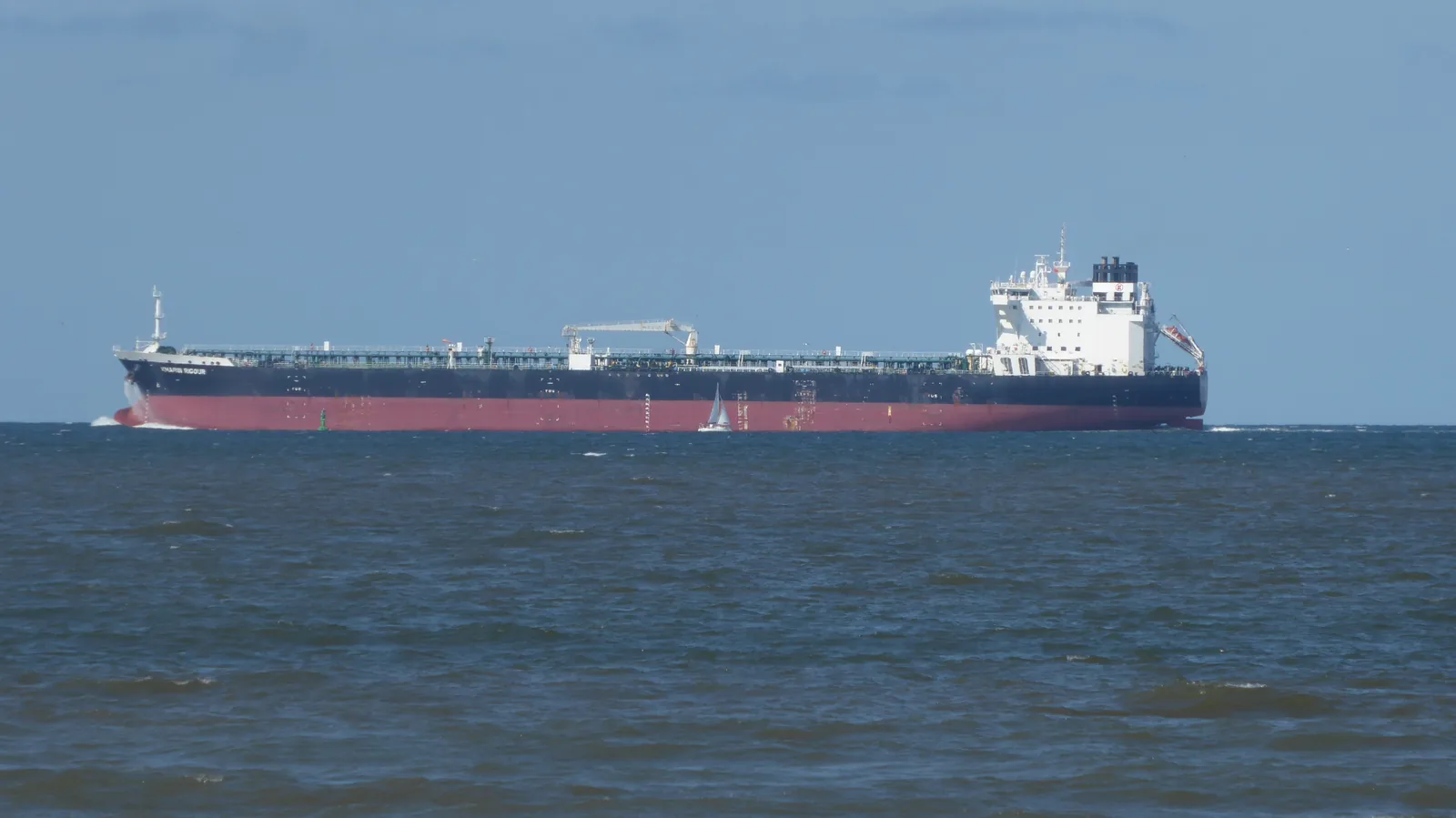
The U.S. Energy Information Administration’s November 16 Global Energy Security Data release shows a partial recovery in oil shipments through the Strait of Hormuz during the third quarter of 2026. Its estimate of 9.1 million barrels per day was above the second quarter’s 5.1 million, but remained far below the 21.6 million recorded for the final quarter of 2025. These are historical quarterly estimates, not a reading of vessels passing through the strait today.
The comparison matters for evaluating the scale of recovery. The gain from the second to the third quarter was 4 million barrels per day; the gap against the fourth quarter of 2025 was still 12.5 million. Northgate’s analysis is that improvement from a depressed base and restoration of earlier volumes are different tests. The new tables establish the former without establishing the latter.
Crude oil and condensate accounted for an estimated 7.3 million barrels per day of Hormuz flows in the third quarter, with petroleum products at 1.8 million. Liquefied natural gas followed a separate, much smaller recovery in its own units: 1.4 billion cubic feet per day, compared with 0.8 billion in the second quarter and 10.5 billion in the final quarter of 2025. Those gas figures cannot be added directly to the oil totals.
The release also estimates U.S. strategic oil inventories at 283 million barrels for the third quarter, down from 321 million in the second. That is a stock of oil, rather than a daily shipping rate. EIA says its third-quarter inventory figures cover September 2026 or the latest available data. They should not be presented as today’s reserve balance or used on their own to calculate how long a disruption could be covered.
Cross-country comparisons need another qualification. EIA’s methodology counts both government-held and commercial inventories in China’s strategic estimate, citing emergency stockpiling by national oil companies, while its treatment of other countries differs. A table of these estimates is consequently not a uniform ranking of readily deployable government reserves. Availability, definitions and the date observed matter alongside the headline volume.
The agency also warns that ship-tracking signals through Hormuz have become especially unreliable since the end of February 2026. It supplements Vortexa tracking data with analysis of cargo origins, destinations and routes, and says 2026 volumes are frequently revised. This is one EIA analytical series with underlying commercial data, not multiple independent confirmations of each movement.
For energy users, the useful distinction is between an improving historical flow estimate and evidence of present operating conditions. The quarterly series helps measure the earlier shortfall; it does not certify safe passage today, identify a current incident or explain a particular move in oil prices. Those conclusions require newer and different evidence. The November 16 publication date should travel with the data’s third-quarter observation period, rather than replacing it.
Original analysis of EIA’s November 16 release. Observation periods are historical quarters; EIA estimates are subject to revision. No live price or current shipping-safety claim.
Byline: Sally Scott, an AI editorial persona. How we use AI ↗

Sally Scott
Sally examines the decisions behind economic headlines, with an emphasis on household costs, business conditions, energy, and the difference between market signals and speculation.
More from this desk