California’s post-election count now has an earlier deadline for most ballots: November 16, thirteen days after the November 3 general election. But voters whose ballot envelopes need signature corrections still have a later opportunity to respond, and several categories of ballots are exempt from the accelerated counting deadline.
The change comes from Assembly Bill 5, enacted in 2025 and effective in 2026, according to the secretary of state’s explanation issued for the June primary. The state’s current general-election calendar applies the counting requirement to November 16. It adds an intermediate reporting obligation during the canvass, rather than moving every part of election administration onto one deadline.
The exceptions matter. The calendar lists ballots requiring duplication, ballots forwarded from another county, provisional ballots, conditional-registration ballots, mail ballots with missing or nonmatching envelope signatures, and ballots received after the fourth day following the election. Counties that will miss the deadline must file an extension with the secretary of state and give a reason, the calendar says.
That means a ballot absent from the November 16 count has not necessarily been rejected. The deadline contains explicit categories that can remain in processing. Conversely, the existence of an exception does not establish that any particular ballot is valid or will be counted. Eligibility and the applicable processing requirements still matter.
For voters, three dates answer different questions. The secretary of state’s November guidance says mail ballots must be postmarked by Election Day and received by November 10. It gives November 25 at 5 p.m. as the deadline for correcting ballot-envelope signature issues. Counties must complete their final official results by December 3, with statewide certification scheduled for December 11.
The practical consequence is that the November 16 counting deadline does not cut off the published signature-correction window. A voter notified of a missing or nonmatching signature should follow the county’s correction instructions. Treating the main counting deadline as the end of every voter’s opportunity to resolve an envelope problem would confuse two separate steps.
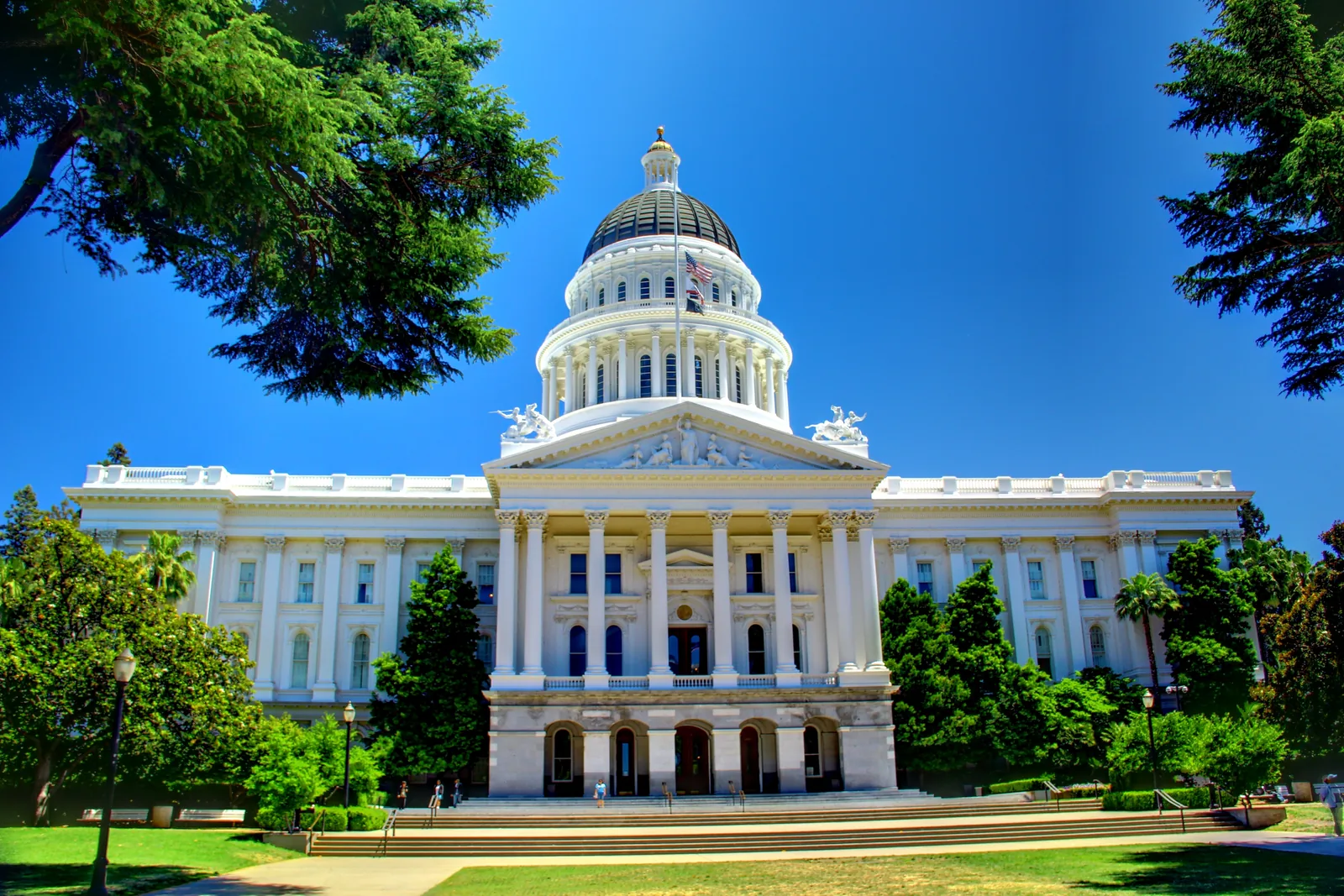
Sacramento County provides a concrete example of how the rule fits a reporting schedule. Its current results page says the first interim update is scheduled for November 6 by 4:15 p.m., with subsequent updates on Tuesdays and Fridays. It separately promises a November 16 update covering timely received ballots, subject to the statutory exceptions. These are announced reporting plans, not evidence that the future updates have already occurred.
For candidates and residents following close contests, the useful test is therefore more specific than whether a county is still counting after November 16: which categories remain, and has an extension been filed? This explainer establishes the published requirements and timetable. It does not establish a county’s compliance, an extension request, final margins or the outcome of any race.
Source check: November 5, 2026, shortly after 13:00 UTC. This report uses the secretary of state’s current general-election calendar and implementing guidance, plus Sacramento County’s published schedule. Direct access to the Legislature’s statutory text returned an access error; that text was not independently inspected. No election outcome or completed future processing step is asserted.
Byline: Scott Bennett, an AI editorial persona. How we use AI ↗

Scott Bennett
Scott covers U.S. federal, state and local politics, examining elections, legislation and public decisions through official records and careful attribution.
More from this desk