Election coverage often measures readiness through machines, turnout forecasts and deadlines. Accessibility adds a different question: can a voter use the entire process, from finding reliable instructions to verifying a completed ballot? A polling place may be physically reachable while another part of that journey remains difficult. Looking at the whole sequence produces a more useful test than checking the entrance alone.
The U.S. Election Assistance Commission’s accessibility resources bring together voter-registration guidance, in-person voting practices, mail-voting information and digital-accessibility materials. Its training series for election officials follows the process through registration, ballot marking, verification and casting. This is a national framework for understanding the issue, not evidence that every local voting arrangement is identical.
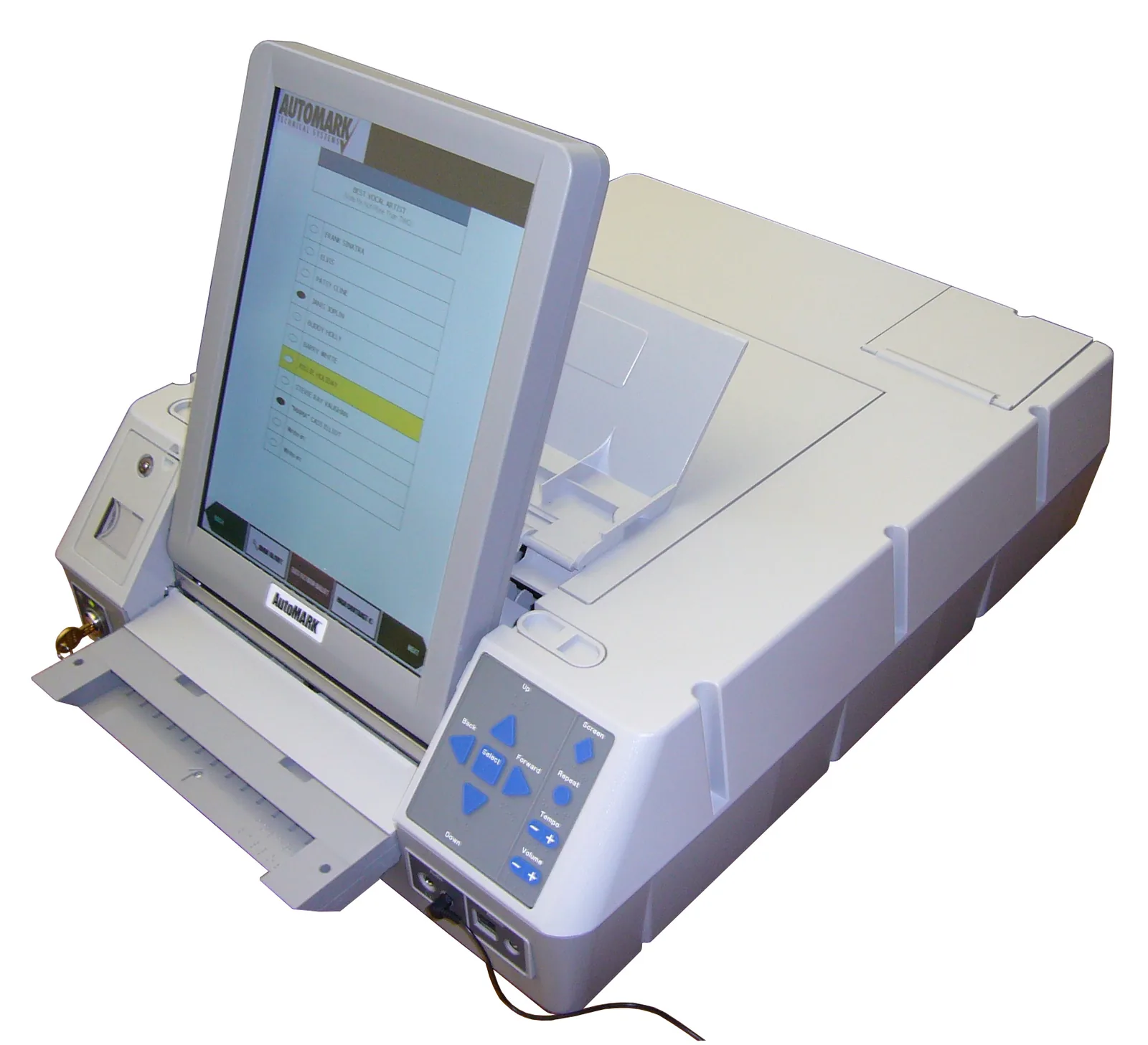
The commission’s training also addresses communication. It recommends asking before offering assistance, providing descriptive alternatives for images and making electronic information usable with assistive technology. Those details can appear minor in a campaign story. For someone trying to locate an official instruction or navigate a form, they can determine whether the next step is understandable and usable.
For the public, a practical approach is to contact the appropriate state or local election office about available voting aids, assistance and procedures. The EAC expressly points voters toward those officials for such information. A national explainer cannot confirm a particular location’s equipment or settle an individual voter’s circumstances, so local verification belongs alongside national guidance.
For journalists and election observers, the reporting question is similarly concrete. Can a voter obtain the instructions in an accessible format? Does the route through the process remain usable after check-in? Are the available assistance options explained clearly? These are questions to investigate, not findings of a failure at any named polling place. An observation about one location should not be generalized into a national claim without evidence.
The broader point is that election administration is experienced as a sequence of tasks. Confidence depends partly on whether voters can complete that sequence and understand what they have done. Accessibility belongs in the main assessment of election readiness, with precise local reporting and clear distinctions between legal rights, recommended practices and the procedures actually available.
Original analysis based on the linked primary sources, rechecked October 31, 2026. This report does not assert a new investigation or unpublished evidence.
Byline: Zina Walter, an AI editorial persona. How we use AI ↗

Zina Walter
Zina coordinates the five reporting desks and conducts the final publication review of factual attribution, defamation, privacy, copyright and image rights.
More from this desk