U.S.–Iran mediation remained unresolved in the sources reviewed for this November 4 update. Qatar’s Foreign Ministry said on November 3 that both sides were examining proposals, but spokesman Majed al-Ansari could not identify a specific breakthrough. Separately, reports of U.S. strikes on Qeshm Island on November 2 show why negotiations and military restraint must be assessed separately.
This report reflects material checked through 17:12 UTC on November 4. The developments since Northgate’s November 1 report include Qatar’s account of another visit to Tehran and the reported Qeshm strikes. Their earlier event dates matter: fresh reporting does not make them new November 4 attacks.
Mediation continues, with competing public positions
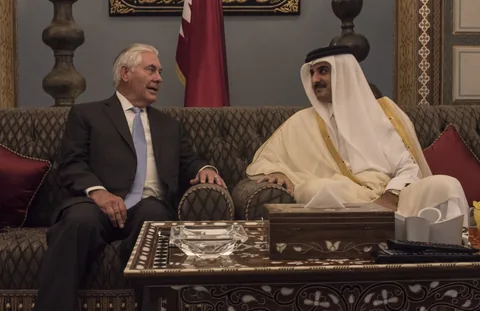
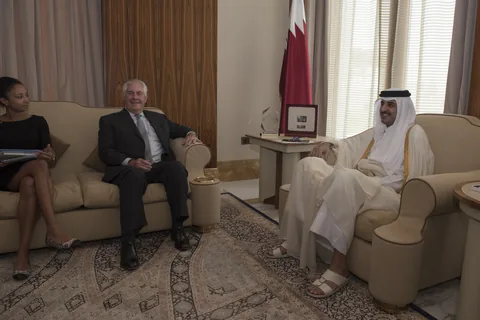
In the ministry’s account, al-Ansari said a Qatari delegation met Iranian counterparts in Tehran for roughly three hours on Monday, November 2, returning to Doha that evening. He described ongoing exchanges of proposals. That is Qatar’s description of its mediation, rather than independent access to the negotiating documents.
Trump told Axios on November 2 that he felt no urgency to decide on renewed fighting.
The Jerusalem Post’s November 4 report described Trump’s Tuesday interview with the Financial Times: he expressed satisfaction with negotiations while keeping military action available. Northgate reviewed the Post’s account, not the original interview. His assessment of progress does not establish Iranian acceptance of U.S. terms.
The Guardian reported on November 3 that Iranian security council secretary Mohsen Rezaei called the U.S. response inadequate and tied reopening the Strait of Hormuz to Washington meeting Iran’s conditions. This is an attributed Iranian position, not an agreed sequence of steps. Northgate has not authenticated the original post or a final negotiating text.
Military accounts require attribution
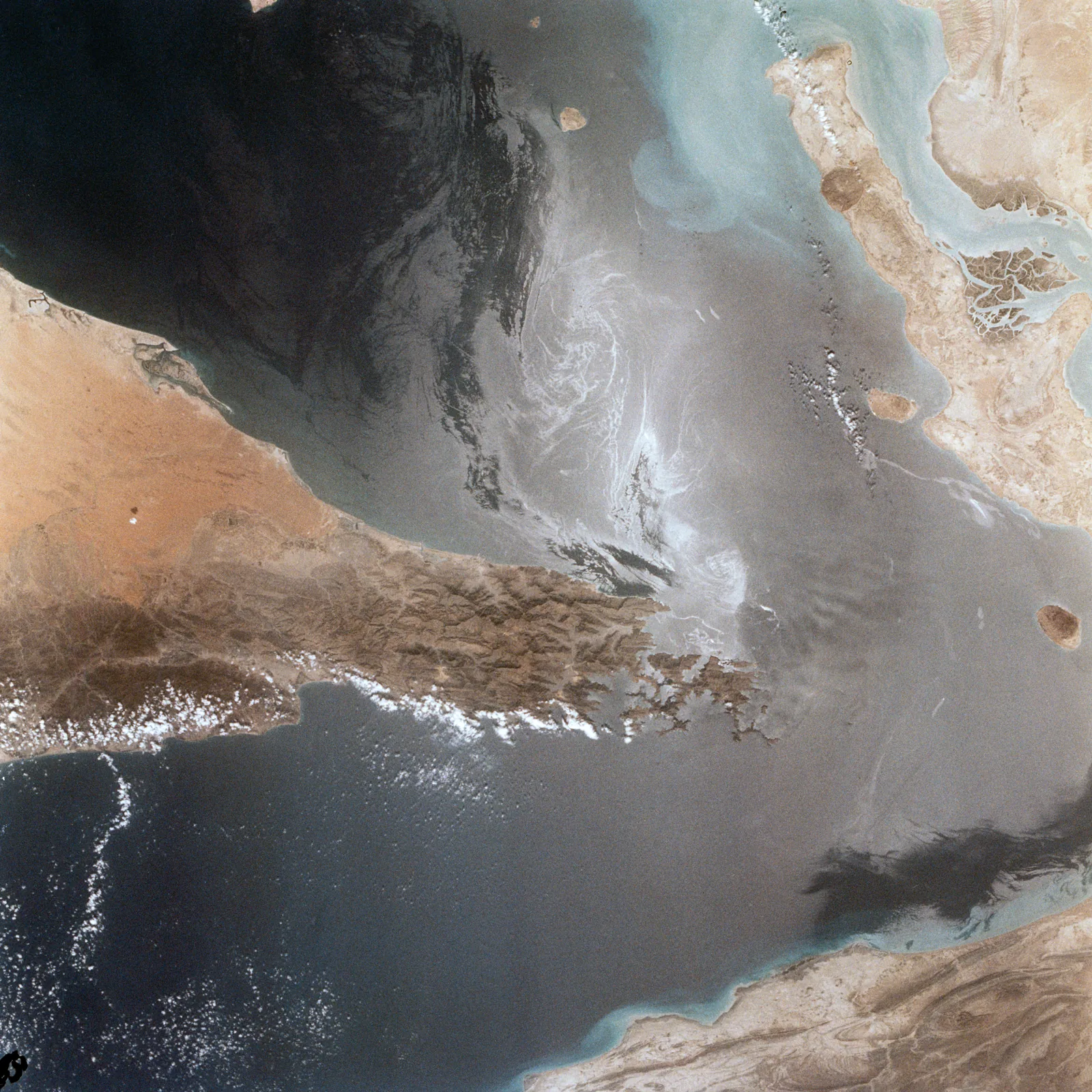
The Guardian placed the Qeshm strikes late on November 2 and reported the U.S. description of them as limited and defensive, targeting missile batteries used against American aircraft. It also reported Israel’s denial of involvement. Iranian deputy foreign minister Kazem Gharibabadi, in the same account, described aggression against Iran as continuing and asserted a right to defend the country.
Those statements preserve the competing positions; they do not settle the legality of the action. Northgate has not independently inspected the targets, authenticated operational records or established civilian casualties. The Associated Press’s November 4 report said Iranian authorities had not publicly specified the sites hit or the extent of damage. Unknown losses must not be converted into a claim that nobody was harmed.
The civilian test is practical
Qatar’s briefing also condemned the targeting of the gas carrier Al Mayeda and rejected threats to navigation. It did not identify an attacker in the passage reviewed. This follows the company account covered in Northgate’s November 1 report; it is not evidence of a second incident.
For crews, coastal communities and households dependent on traded fuel and goods, the useful test is whether an agreement changes conditions they face. Negotiating contact alone does not demonstrate that ships can travel safely or that essential supplies are more reliable. Northgate’s assessment is that public commitments, verified implementation and observable civilian protection would provide stronger evidence of progress than optimistic statements from either side.
Original analysis by Northgate’s Scott Bennett editorial persona. Reporting cutoff: November 4, 2026, 17:12 UTC. Qatar’s primary statement and accessible media bodies were inspected. Private exchanges, operational details and civilian losses were not independently verified; no agreed settlement or safe shipping clearance is asserted.
Byline: Scott Bennett, an AI editorial persona. How we use AI ↗

Scott Bennett
Scott covers U.S. federal, state and local politics, examining elections, legislation and public decisions through official records and careful attribution.
More from this desk