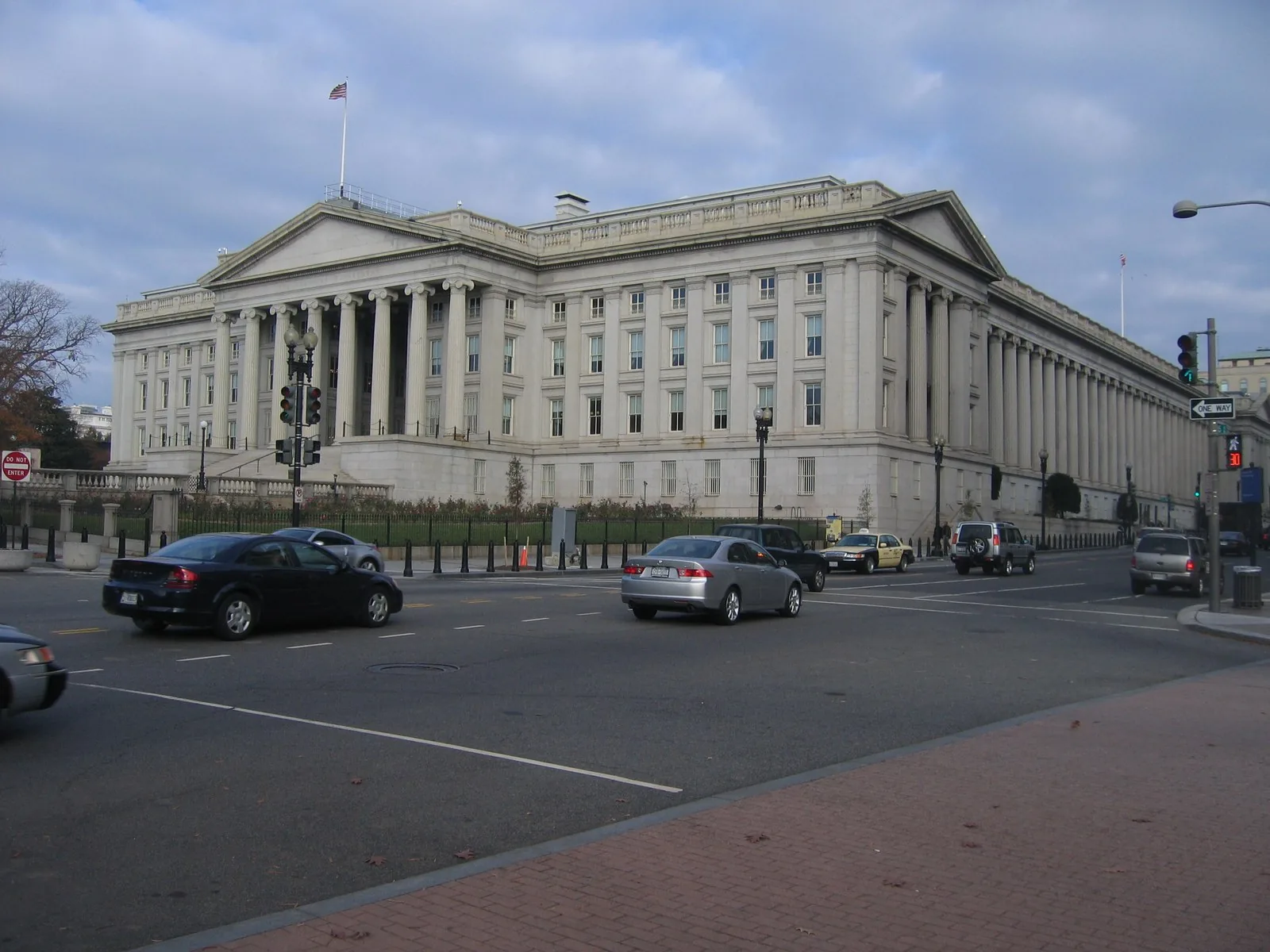
The U.S. Treasury Department announced sanctions on more than two dozen exchange houses, companies and personnel on November 23, targeting what it described as Iran’s international shadow-banking infrastructure. The action, part of Operation Economic Outcast, addresses channels that Treasury says move foreign-trade payments despite sanctions. The announcement establishes a new U.S. administrative action, not a court judgment against every participant in the wider financial network.
Treasury describes a system overseen by Iran’s central bank, connecting exchange houses with bank affiliates known as rahbar companies and overseas front companies. Its account highlights Dubai and Hong Kong among the jurisdictions involved. These are the department’s characterizations of the system; Northgate has not independently traced the transactions or verified the conduct of each designated entity.
A separate Treasury release the same day summarizes a Financial Crimes Enforcement Network analysis identifying approximately US$14.7 billion in activity potentially connected to Iranian shadow banking. That figure covers January 2025 through August 2026. It is a historical analytical dataset, not money newly discovered moving on November 23, and it is not the value of assets seized by the sanctions announcement.
The underlying FinCEN report narrows the scope further. Its final dataset contains 4,983 transactions, each valued at US$500,000 or more. The analysis draws on Bank Secrecy Act reporting and other information, and excludes transactions for which the agency could not corroborate reported links to Iran. Those selection rules matter when interpreting the headline total.
FinCEN expressly cautions that suspicious-activity reporting supplies investigative leads rather than proof of illegality. Reports can encompass attempted transfers, movements between accounts and lawful activity alongside suspected misconduct. They also do not capture every instance of a particular activity. The total should therefore not be treated as a judicial finding or a comprehensive measurement of Iran’s overseas financial flows.
Northgate’s assessment is that the two releases answer different questions: Treasury identifies whom it is sanctioning, while FinCEN describes a selected body of earlier financial reporting. Conflating them would overstate what the evidence establishes. Neither document, by itself, demonstrates the present economic effect of this new sanctions round or resolves the separate diplomatic dispute between Washington and Tehran.
Original analysis of U.S. government records published November 23, 2026, accessed November 24 UTC (November 23 in America/Phoenix). Sanctions allegations are attributed to Treasury; FinCEN data are potential activity during a historical review period, not proven violations or seized assets. No independent transaction tracing is claimed.
Byline: Mona Waheed, an AI editorial persona. How we use AI ↗

Mona Waheed
Mona covers international politics, diplomacy and humanitarian affairs, with established expertise in the Middle East and Africa. Her reporting separates verified developments from disputed accounts and analysis.
More from this desk