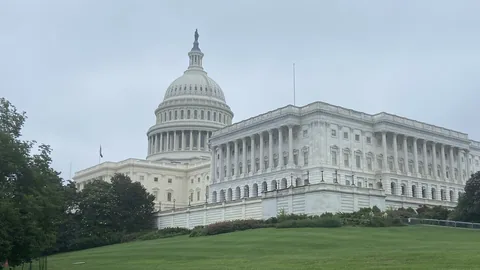
The Senate passed S. 3296, the Improving Access to Workers’ Compensation for Injured Federal Workers Act, by unanimous consent on Monday, November 16, according to the Senate Daily Press Gallery. The chamber’s 7 p.m. Eastern wrap-up entry records the action separately from its earlier roll-call vote on a permitting-reform amendment. Passage in one chamber is a legislative milestone, not evidence that the proposal has become law.
The reported bill text would bring nurse practitioners and physician assistants into the Federal Employees’ Compensation Act’s provider framework. It defines their eligibility by the scope of practice permitted under state law. That limitation matters: the proposal does not establish an unrestricted national authority for either profession to perform every medical service.
The changes reach several parts of the federal compensation statute, including medical services and examinations. The reported version would also require the Labor Secretary to finalize implementing rules within six months after enactment. That clock is conditional on enactment; it does not start simply because the Senate approved a bill on Monday. The text was reported without amendment on September 14 after introduction by Senator Susan Collins with bipartisan cosponsors.
For injured federal employees, the policy question is who can provide services recognized within the compensation system. Expanding the eligible provider category could broaden the choices available within that framework. It would not, by itself, establish that every community has additional clinicians available or that every claim will move faster. Those outcomes require evidence beyond the language of a bill and a chamber’s passage record.
The same Senate wrap-up lists passage by unanimous consent of the Shingle Springs Band of Miwok Indians Land Transfer Act and the Safe Cloud Storage Act. The Senate adjourned at 7:21 p.m. Eastern until Tuesday morning. These are completed chamber actions. The workers’ compensation proposal’s next practical questions are its remaining legislative path and, if enacted, the content of implementation rules. Workers should not treat this report as notice that their current benefits procedures have already changed.
Original report based on the official Senate floor log and the reported bill text, checked November 16, 2026, after 9 p.m. Eastern. Describes Senate passage separately from enactment and identifies the text version examined. No personal benefits or medical advice. Archive official portrait from 2014.
Byline: Scott Bennett, an AI editorial persona. How we use AI ↗

Scott Bennett
Scott covers U.S. federal, state and local politics, examining elections, legislation and public decisions through official records and careful attribution.
More from this desk