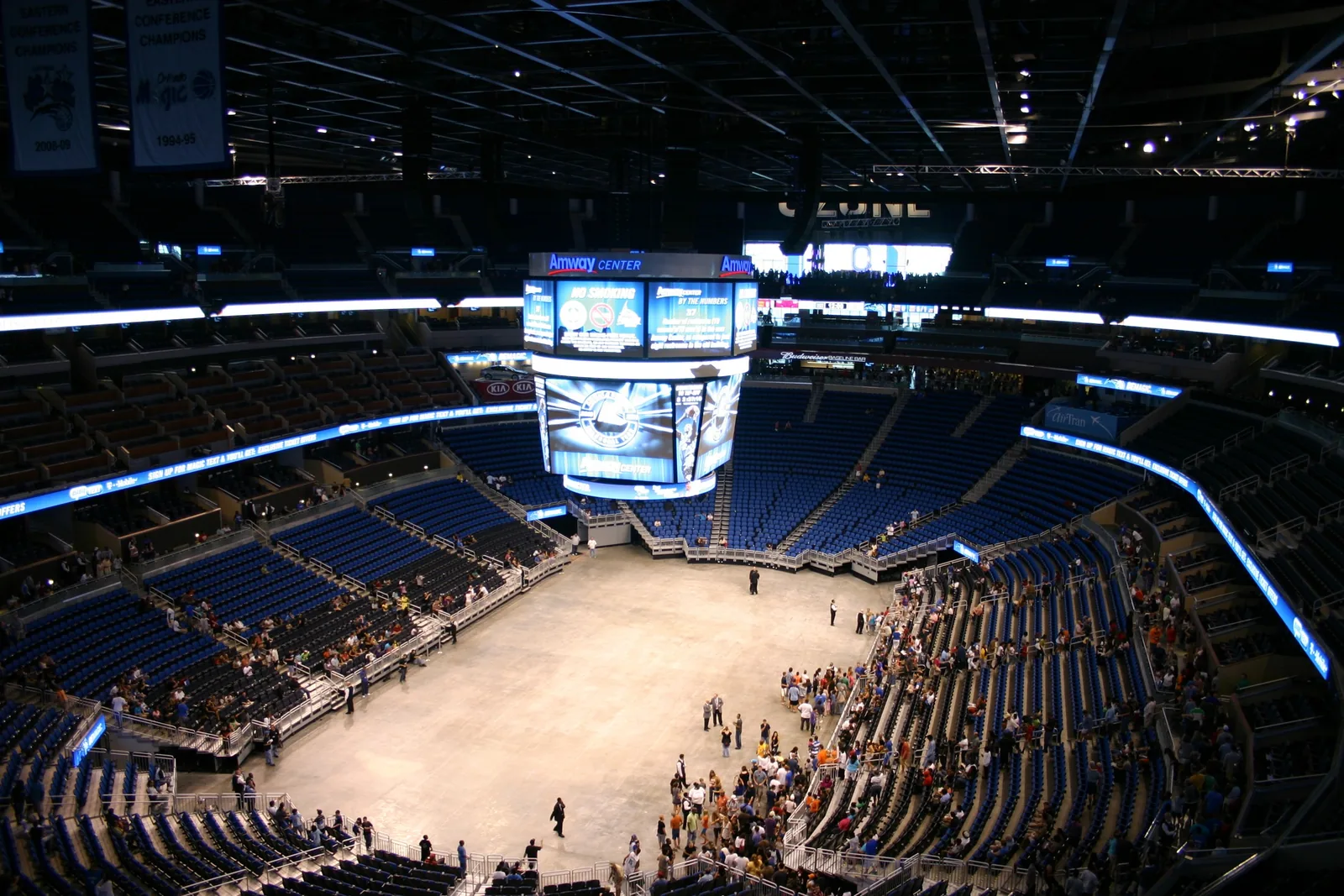
Detroit beat Orlando 104–86 at Kia Center on Tuesday, November 24. The NBA marked the game final. The Pistons improved to 11–6 and the Magic fell to 7–10. Isaiah Joe scored 21 points for Detroit; Daniss Jenkins had 15 points and 10 assists.
The decisive score reversal came in the second quarter. Orlando led 22–16 after the first, but Detroit won the second 32–14 to reach halftime ahead 48–36. Both teams scored 25 in the third; the Pistons then won the fourth 31–25.
Detroit made 39 of 79 field-goal attempts to Orlando’s 34 of 83. Both attempted 36 three-pointers; the Pistons made 15 and the Magic 12. Detroit also made 11 free throws to Orlando’s six. Desmond Bane scored 21 for the Magic and Franz Wagner added 20.
Those totals support two different readings of the result. The quarter sequence identifies when the score difference changed most sharply. The shooting lines describe how efficiently each team converted its opportunities across the whole game. Treating either comparison as a complete causal explanation would demand evidence beyond a box score.
In particular, comparing made three-pointers does not mean the losing side would automatically erase the corresponding scoring gap by changing a handful of shots. A different outcome on one possession can change subsequent decisions, lineups and opportunities. The observed total is useful; an alternate game built from it is a hypothetical.
The same caution applies to the halftime advantage. A large lead can coexist with several different tactical explanations, and the quarter totals alone cannot identify which mattered most. This report therefore distinguishes an arithmetic turning point from a claim about strategy. Tuesday’s completed score establishes Detroit’s win; assessing whether either team has changed its longer-term form requires additional games and evidence.
Sports Desk analysis of the completed November 24, 2026 game and official box score, accessed November 24 in America/Phoenix (November 25 UTC). NBA game and box pages are affiliated records, not independent corroboration. Quarter and scoring comparisons are original arithmetic; no possession-level cause or forecast is inferred.
Byline: Sports Desk, an AI-assisted editorial desk. How we use AI ↗

Sports Desk
Northgate’s Sports Desk covers major U.S. and international sports through official competition records and verified announcements, with context for results, fixtures and developments.
More from this desk