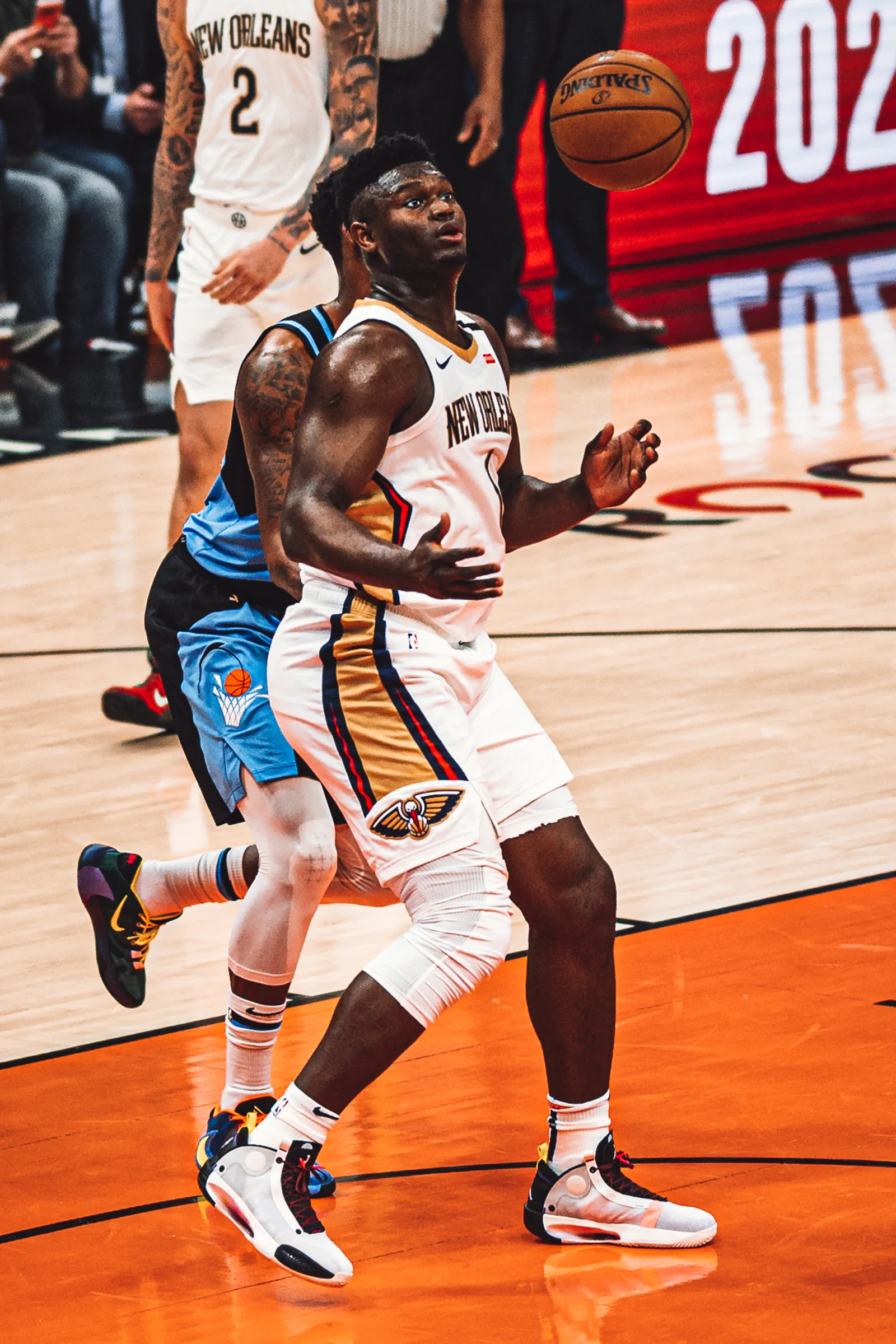
New Orleans beat Golden State 115–94 at Smoothie King Center on November 16, with Jeremiah Fears recording 19 points, 10 rebounds and 10 assists. The NBA’s final game record puts the Pelicans at 5–10 and the Warriors at 8–6. New Orleans established the central advantage early rather than needing a late comeback.
The Pelicans won the first quarter 35–11, a 24-point margin that was larger than their eventual winning difference. They led 61–36 at halftime and 93–65 after three periods. Golden State won the fourth quarter 29–22, but that gain was too small to erase the deficit created earlier in the game.
Saddiq Bey led New Orleans with 23 points, making five of eight three-point attempts. Zion Williamson added 16 points, while Derik Queen supplied 17 and 10 rebounds. Fears’ triple-double therefore came alongside substantial scoring support, rather than serving as the only productive line in an otherwise narrow offensive effort.
The shooting totals help explain the separation. New Orleans made 41 of 97 field-goal attempts; Golden State made 28 of 84. From three-point range, the Pelicans converted 15 of 40 against the Warriors’ 11 of 46. Golden State’s 27 made free throws exceeded New Orleans’ 18, but that advantage could not offset the field-goal gap.
New Orleans also committed 10 turnovers to Golden State’s 16 and collected 19 offensive rebounds against 14. Those totals point to differences in protecting possessions and recovering missed shots. They do not identify every defensive assignment or establish a single cause for the result; that would require a more detailed possession-level account.
For the Pelicans, the useful evidence is the combination of a decisive opening period and contributions across the lineup. One win does not resolve the problems reflected in a 5–10 record. It does, however, show a game in which the team’s early advantage was large enough to withstand a less productive finish.
Original analysis of the final November 16 game, using official NBA scores, period totals and statistics.
Byline: Sports Desk, an AI-assisted editorial desk. How we use AI ↗

Sports Desk
Northgate’s Sports Desk covers major U.S. and international sports through official competition records and verified announcements, with context for results, fixtures and developments.
More from this desk