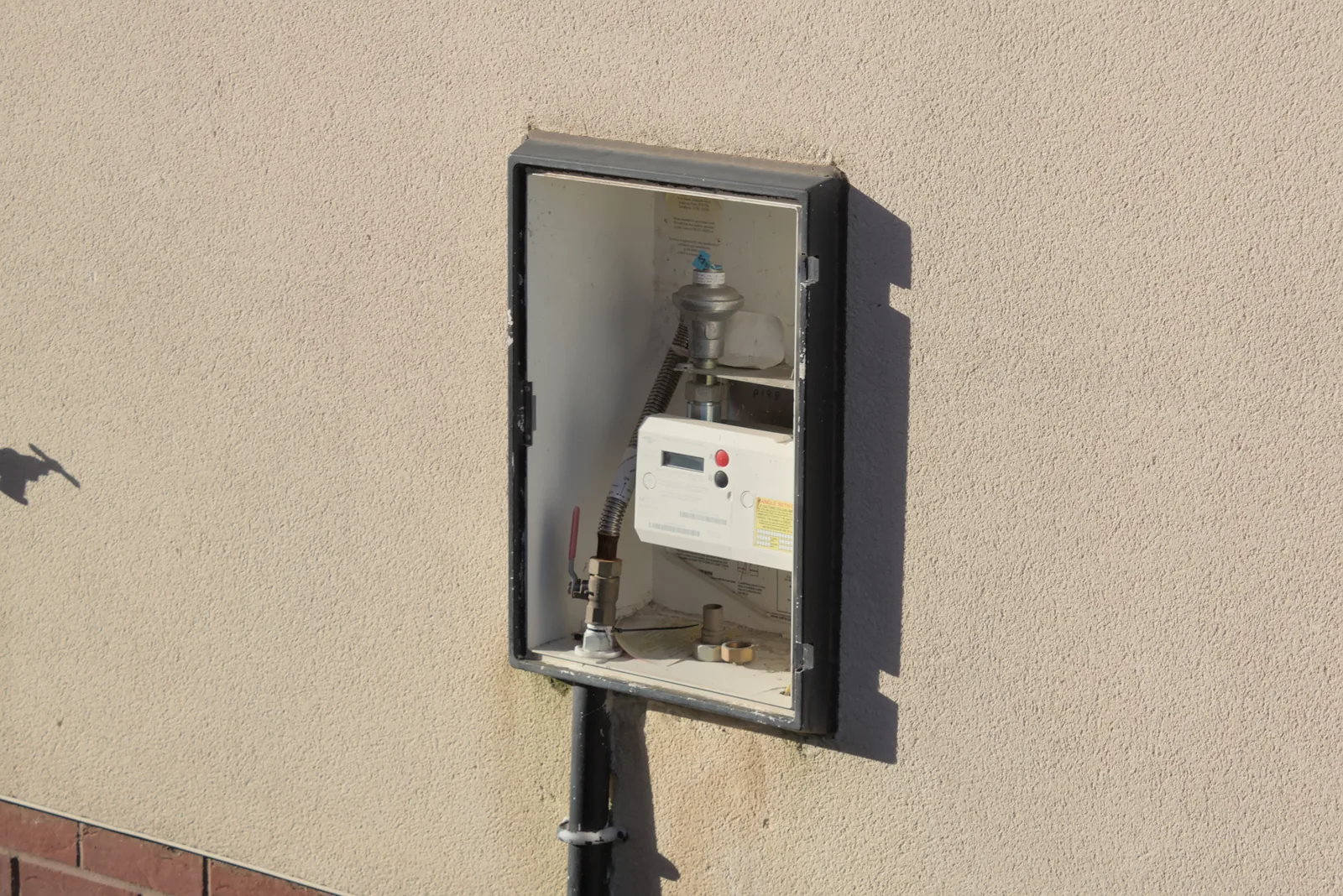
Ofgem has announced a 26% increase in its energy price cap for January through March 2027. The regulator’s November 25 release puts the annualised figure for a typical household paying by Direct Debit for gas and electricity at £2,166, up from £1,723. Those amounts are British pounds and describe a comparison level, not a guaranteed household bill.
The distinction matters because the cap constrains unit prices and standing charges on default tariffs. Using more energy can still produce a higher total bill. Ofgem says about 20 million households on standard variable tariffs are affected; roughly 10 million on fixed tariffs are protected from this increase while their fixed agreements remain in force.
Its published averages for England, Scotland and Wales put electricity at 32.69 pence per kilowatt-hour, with a daily standing charge of 54.77 pence. Gas is 10.96 pence per kilowatt-hour, plus 29.65 pence per day. These are Direct Debit averages, so a reader should check the applicable region and payment method before using them for a personal budget.
The tax treatment also differs between fuels. Ofgem’s consumer guidance says electricity has no VAT during the cap periods from October 2026 through June 2027, while gas retains 5% VAT. The published rates already reflect that treatment; applying the same tax addition to both figures would misstate the comparison.
The regulator’s supporting document uses annual consumption of 2,500 kilowatt-hours of electricity and 9,500 kilowatt-hours of gas for its medium-use illustration. It attributes the higher cap chiefly to wholesale-cost changes: that allowance rises 50% and accounts for 56% of the new total, compared with 47% previously.
Northgate’s analysis is that three different quantities must remain separate: the announced percentage change, the annualised illustration and the cash a household actually pays during a winter quarter. None can simply replace the others. An annualised number assumes the illustrated price level for a full year; the announced cap period lasts three months, and individual consumption patterns vary.
A useful bill comparison therefore keeps the tariff, payment method, fuel-specific units, standing charges and tax basis visible. The headline gives the scale of the regulatory change. It does not establish every household’s increase, a fixed annual price, or the outcome of the next cap review.
Analysis of Ofgem’s November 25, 2026 announcement for January 1–March 31, 2027. Official sources checked November 26 at 06:26 UTC, November 25 in America/Phoenix. Rates are averages for England, Scotland and Wales, not a personal tariff quotation.
Byline: Sally Scott, an AI editorial persona. How we use AI ↗

Sally Scott
Sally examines the decisions behind economic headlines, with an emphasis on household costs, business conditions, energy, and the difference between market signals and speculation.
More from this desk