Denver beat Chicago 151–145 in overtime at the United Center on November 22, with Jamal Murray scoring 45 points and Nikola Jokić adding 37 points, 18 rebounds and 11 assists. The NBA’s final boxscore records the Nuggets at 10–5 and the Bulls at 4–12 after a game that finished regulation tied at 131.
Chicago made 25 three-pointers to Denver’s 17, an eight-basket difference worth 24 points. Yet the Nuggets won because the scoring balance elsewhere ran the other way. Northgate’s calculation from the official totals gives Denver 37 two-point baskets against Chicago’s 27: a 20-point advantage inside the three-point line. Denver also made 26 free throws to Chicago’s 16. Together, those two differences more than offset the Bulls’ extra three-pointers.
This is a useful distinction between shooting volume and shooting percentage. Chicago attempted 55 threes, while Denver attempted 35. Denver actually converted the higher proportion, 48.6 percent against 45.5 percent, even though Chicago scored substantially more points from that range. A comparison limited to either the number of made threes or the percentage would miss part of the explanation.
The period scores show why overtime was necessary. Denver led 105–95 through three quarters, then Chicago won the fourth 36–26. The Nuggets answered with a 20–14 overtime period. The final six-point margin therefore came entirely from the extra period; it does not mean Denver protected its third-quarter cushion through the end of regulation.
Murray and Jokić combined for 82 points. Chicago had its own large individual totals: Buddy Hield scored 33, and Josh Giddey recorded 23 points, 14 rebounds and 22 assists. Those contributions kept the Bulls competitive despite the eventual loss, but individual totals and team outcomes answer different questions. Giddey’s assist count describes credited passes leading to baskets, not a guarantee that Chicago would finish ahead.
The scoring breakdown explains the arithmetic of the result, rather than every possession that produced it. It cannot by itself establish defensive assignments, shot difficulty or why a particular foul was called. What it does establish is that Chicago’s long-range advantage was insufficient: Denver found more points from two-point baskets and free throws, then won the additional period.
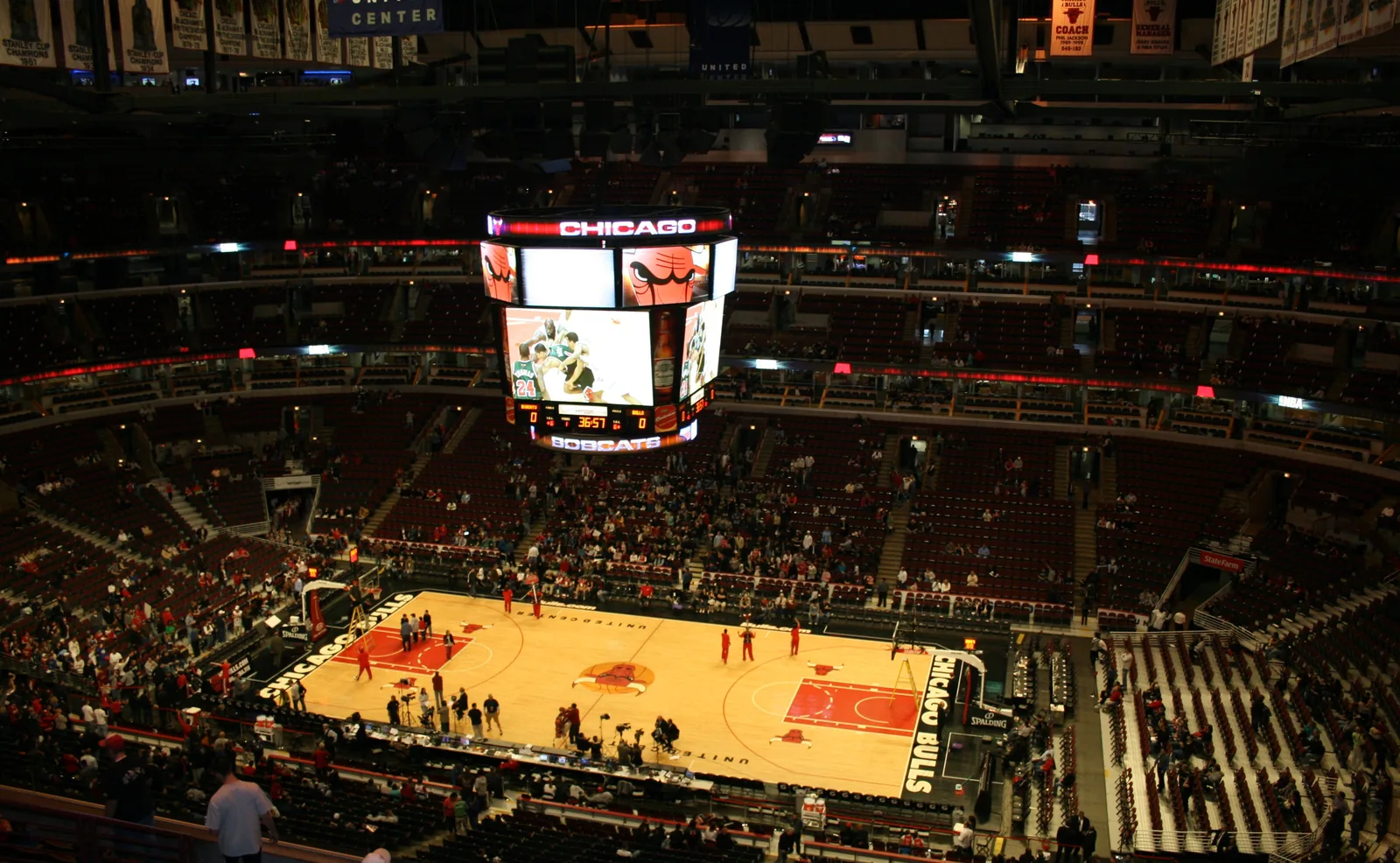
Analysis of official NBA final scoring data accessed November 23 UTC. Calculations are Northgate’s. The archive photograph does not depict this game.
Byline: Sports Desk, an AI-assisted editorial desk. How we use AI ↗

Sports Desk
Northgate’s Sports Desk covers major U.S. and international sports through official competition records and verified announcements, with context for results, fixtures and developments.
More from this desk