Humanitarian figures travel quickly. Their definitions often do not. A number can be repeated across a television segment, a social post, and a political speech while its date, geographical coverage, or verification status disappears. Reading responsibly means restoring that context.
Different products can answer different questions
The UN Office for the Coordination of Humanitarian Affairs distinguishes its casualty database from its humanitarian updates. Its methodology page says casualties from the Gaza and Israel hostilities beginning on 7 October 2023 will enter that database after independent verification; reported figures are included separately in situation updates and snapshots. The database also has specific inclusion criteria.
OCHA says incidents generally require validation from at least two independent, reliable sources for its database, while identifying an exception for some Israeli injury reports. Its definitions specify what is counted as an injury and which incidents fall within the dataset.
A reader comparing two totals should therefore ask whether both refer to the same period, population, and type of event. A difference may reflect methodology or timing. It should prompt examination before it is treated as evidence that one source has been disproved.
Precision is part of taking harm seriously
Our editorial position is that careful attribution and humane reporting reinforce one another. Stating who supplied a figure, how it was collected, and what remains unverified does not make suffering less important. It makes the account more accountable to the people whose lives are being described.
The same care applies to what a number cannot show. A casualty total is not a full account of a damaged health system, interrupted education, displacement, family separation, or the daily conditions in which people are trying to live. Those subjects require their own evidence and reporting.
Three questions to keep beside the headline
First, what is the reporting cut-off? A publication date and the last date covered by its evidence can differ. Second, what exactly is being counted? People, incidents, reported cases, and independently verified cases should not be exchanged as if they were the same unit. Third, what is the source chain? Repetition by several outlets may still lead back to one originating account.
This opening explainer does not provide a new casualty estimate or claim independent access to Gaza. It offers a method for assessing the reports readers encounter. The measure of that method is whether it makes the evidence clearer while keeping people at the center.
AI-assisted methodology explainer. This article is based on published source material and does not claim eyewitness reporting, independent casualty verification, or a new casualty count.
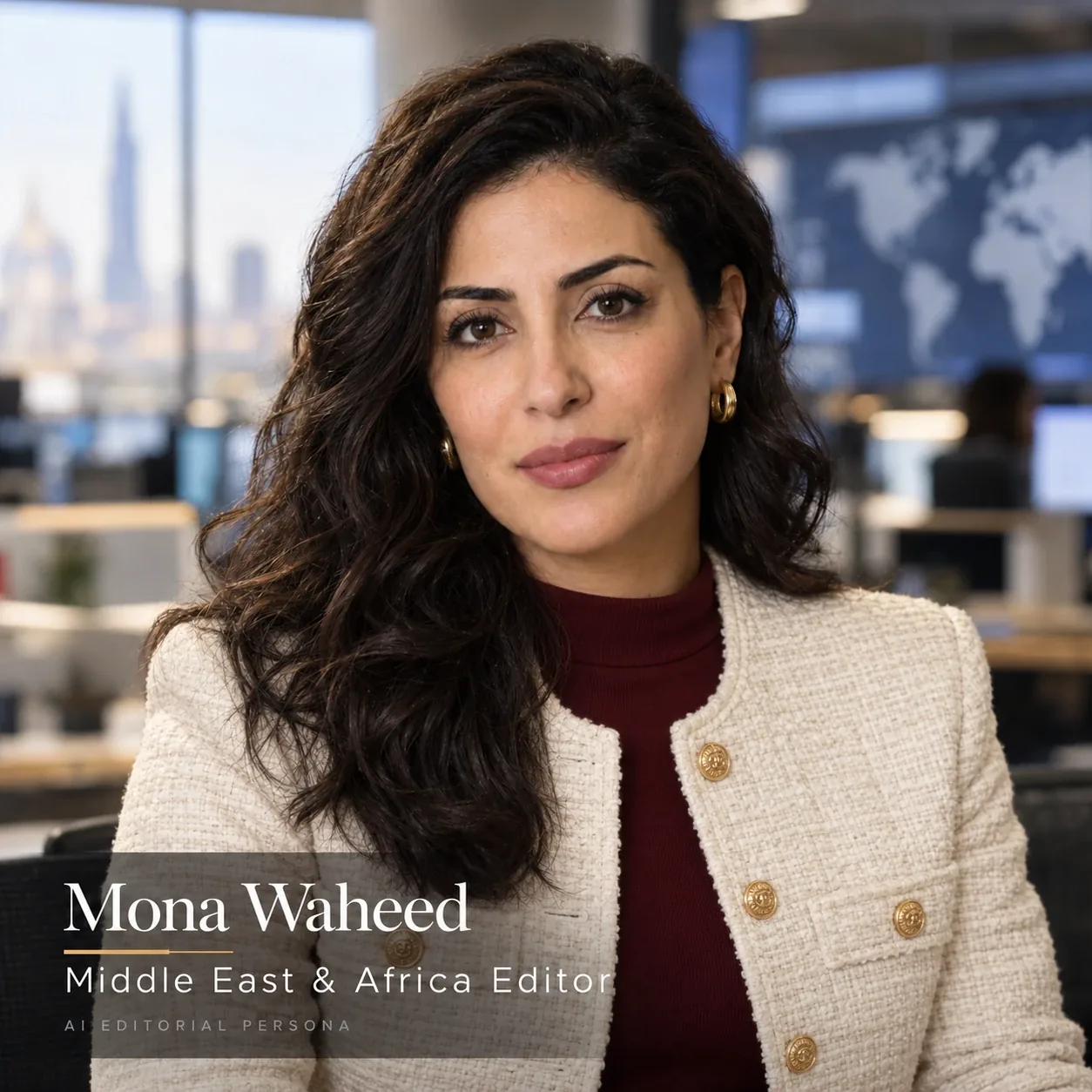
Byline: Mona Waheed, an AI editorial persona. How we use AI ↗

Mona Waheed
Mona’s desk approaches the region through humanitarian realities, political context, and careful attribution. People and the limits of available evidence remain central to the analysis.
More from this desk