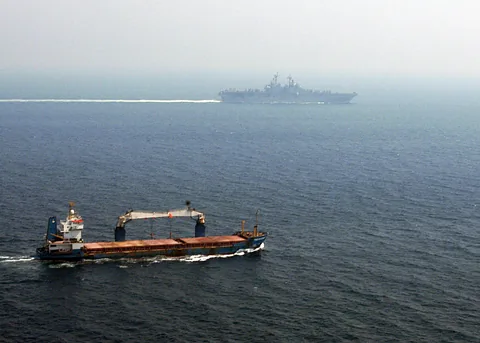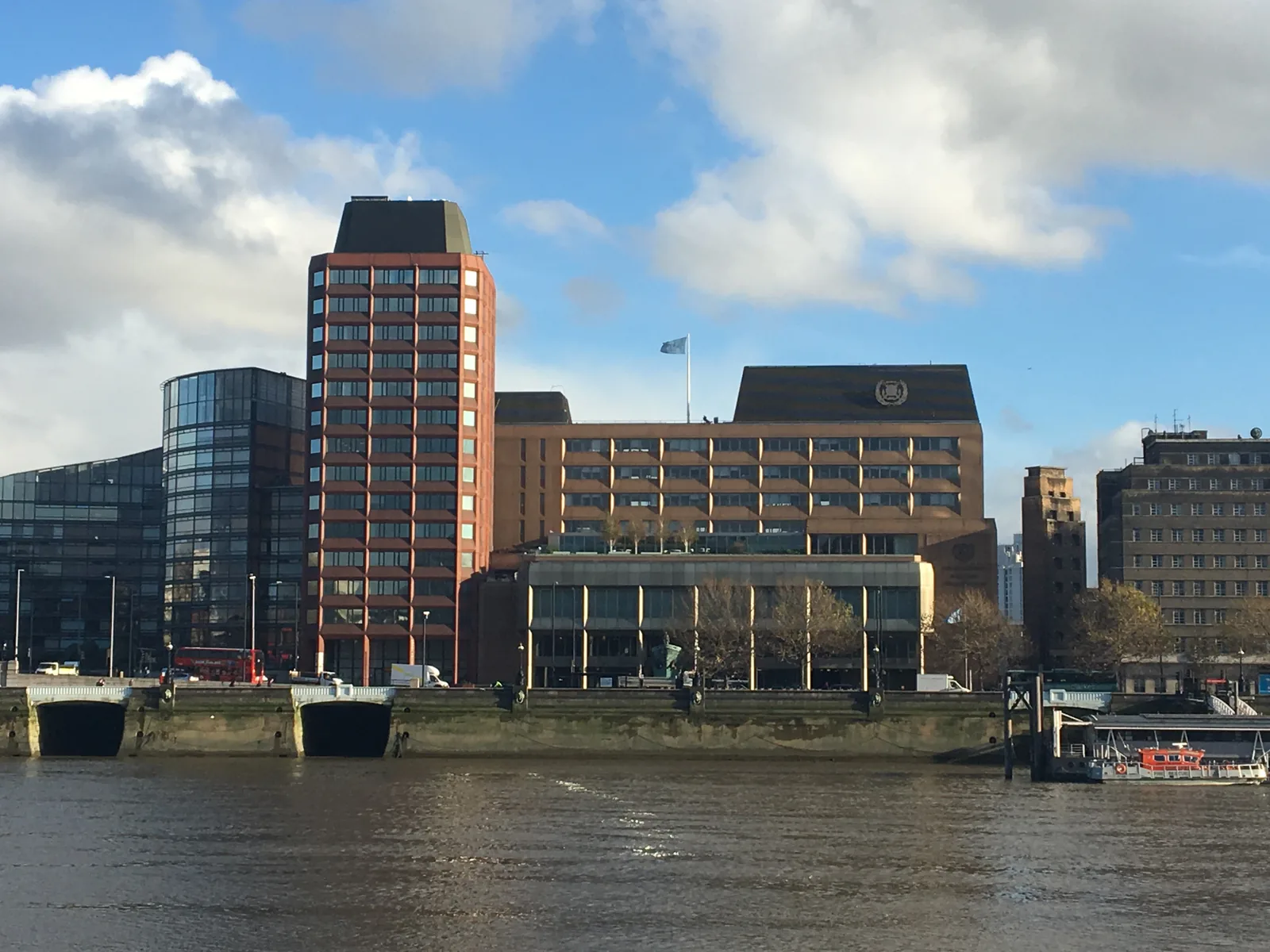
The International Maritime Organization’s latest enforcement appeal places an overlooked question beside the attacks on shipping around Iran: whether vessels using the Strait of Hormuz are themselves meeting basic safety requirements. In its November 11 statement, Secretary-General Arsenio Dominguez raised concerns about substandard ships, obscured IMO identification numbers, fraudulent registration and false flags. These are the agency’s reported concerns, not findings by Northgate against any named operator.
Dominguez called on flag states, port states and relevant coastal states to address violations within their respective jurisdictions and international law. He also urged shipowners and operators to avoid commercial activity that exposes crews to unacceptable risks. The appeal couples government responsibilities with operational decisions; it does not announce a newly created international enforcement force.
The human stakes are documented separately. The IMO’s highlighted-incidents page, checked November 16, displayed 136 confirmed incidents and 25 confirmed seafarer fatalities, with an explicit November 11 reference date. Those figures are a dated record, not a real-time total for this morning. The table distinguishes damage, pollution, injuries and deaths rather than treating every incident as the same outcome.
Northgate’s assessment is that safety compliance and protection from attack require separate tests. A ship’s paperwork or condition does not establish who attacked it. Equally, the danger posed by a conflict does not answer whether an operator has maintained safe practices. Combining those questions into a single accusation would obscure the evidence needed for each.
The jurisdictional language matters for evaluating what happens next. An appeal for enforcement is a request for action, not proof that inspections occurred or violations were resolved. Evidence of follow-through would need to identify the responsible authority, the vessel or practice examined, and the measure actually taken. A general pledge alone cannot establish that chain.
The IMO also called for political solutions supporting safe navigation. The practical distinction is between a diplomatic objective and demonstrated operating conditions. A settlement announcement, an enforcement statement and a verified improvement in seafarer safety are different forms of evidence. Readers should look for the connection between them rather than treating any one as a substitute for the others.
Original analysis of dated IMO records checked November 16, 2026. The institutional statement is attributed; no named ship is accused of the unsafe practices described. This is not legal advice or a current incident alert.
Byline: Mona Waheed, an AI editorial persona. How we use AI ↗

Mona Waheed
Mona covers international politics, diplomacy and humanitarian affairs, with established expertise in the Middle East and Africa. Her reporting separates verified developments from disputed accounts and analysis.
More from this desk