For households challenging a federal disaster-assistance decision, the practical starting point is the explanation FEMA sent them. A disagreement over the amount of help and a request for missing information can require different responses. Official guidance from Wisconsin and Hillsborough County, Florida, makes the decision letter the link between the agency’s determination, the supporting records and the appeal deadline.
ReadyWisconsin says an applicant’s letter identifies assistance approved or not approved and explains how to appeal. The evidence should address the particular decision. For a dispute over additional home-repair assistance, its examples include repair estimates, bills and receipts. It gives an appeal deadline of 60 days from the date on the decision letter.
That makes the date printed on the letter consequential. An applicant organizing a response should identify that date alongside the specific decision being contested, rather than treat a general disaster announcement as the explanation of their own case. Keeping the decision and relevant records together is an organizational step; it does not establish eligibility or guarantee that FEMA will change its determination.
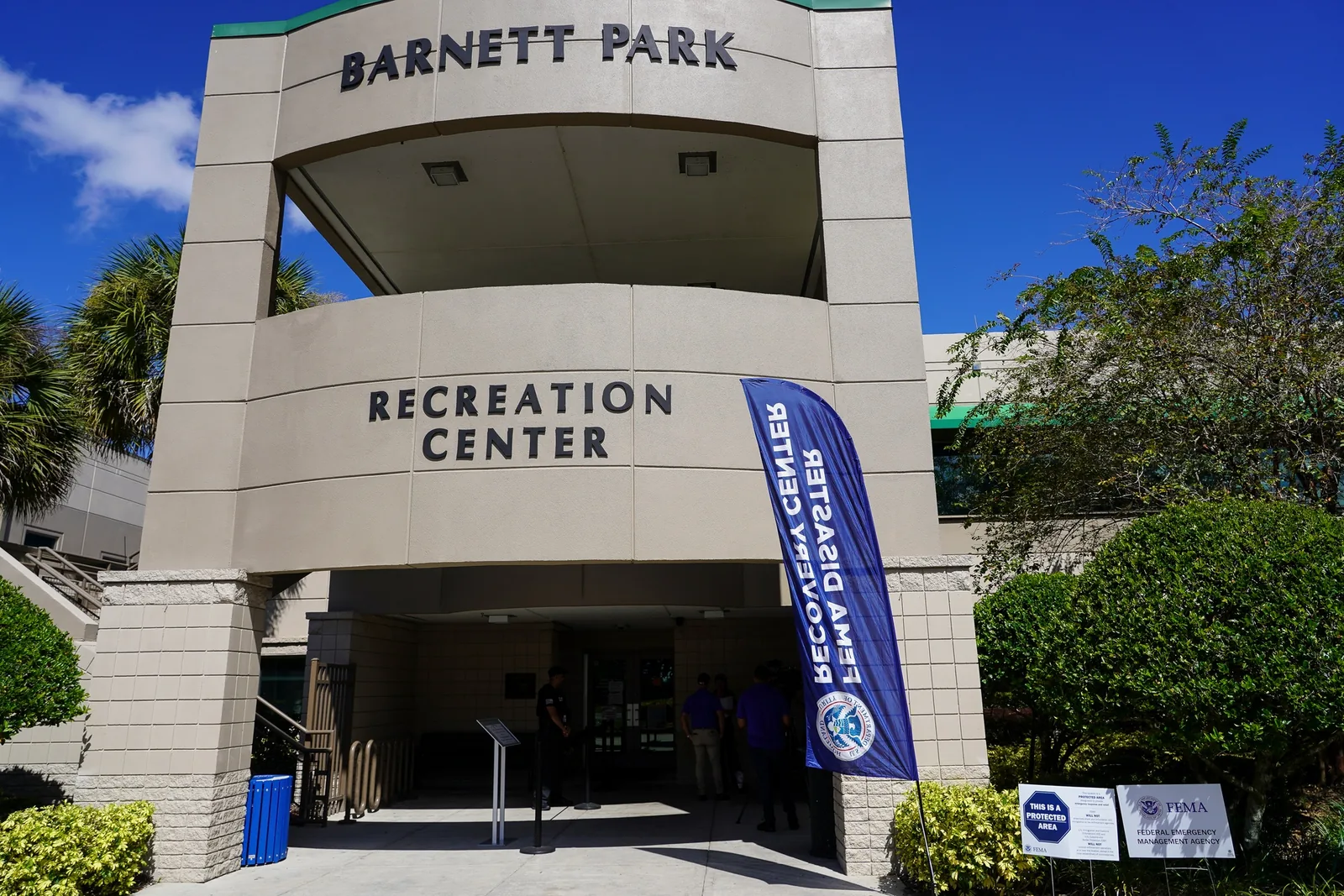
Hillsborough County’s guidance for Hurricane Helene and Milton applicants likewise describes a 60-day appeal period. It lists supporting records that may include receipts, repair estimates and property documents. The county says documents must carry the FEMA application and disaster numbers on every page, and identifies online upload, mail and fax submission routes. Those identifiers connect supporting material to the correct case.
The county’s page, last modified June 16, 2025, separately states that the Helene and Milton initial application deadline was January 7, 2025. That historical date is not a new application window. Its appeal guidance illustrates why a disaster-wide filing deadline and the response to an individual decision must be read separately.
ReadyWisconsin also explains that a letter saying assistance has not been approved can reflect missing information, including insurance documentation. The useful question is therefore specific: what has FEMA decided, and what information does the letter say is needed? A document request should not be treated as proof that every form of assistance is permanently unavailable.
This explainer examines official guidance accessed November 15, 2026. It does not announce a new FEMA rule, a disaster declaration or a finding that the agency mishandled a particular claim. Individual applicants should use the instructions attached to their own decision and the relevant official assistance channels; the existence of an appeal procedure is not evidence of a successful appeal.
Official-guidance explainer accessed November 15, 2026; the county example concerns historical Helene/Milton assistance. No individual eligibility, new application window or appeal outcome is determined.
Byline: Scott Bennett, an AI editorial persona. How we use AI ↗

Scott Bennett
Scott covers U.S. federal, state and local politics, examining elections, legislation and public decisions through official records and careful attribution.
More from this desk