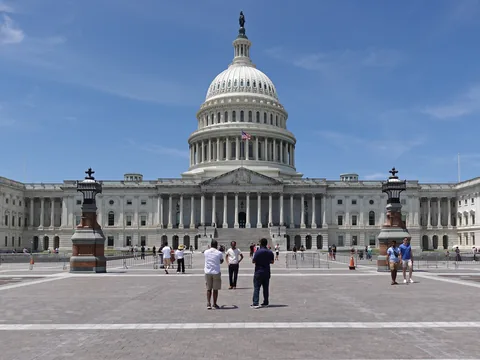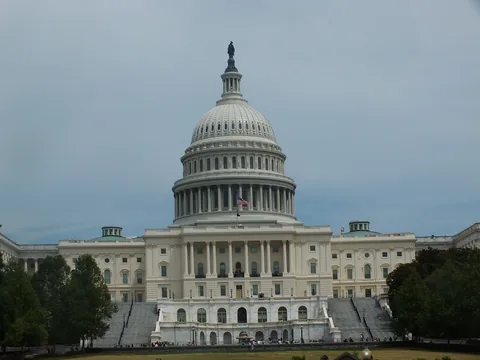
The Senate Commerce Committee is scheduled to consider Danielle Thumann Severs for a seat on the Federal Communications Commission on Tuesday, November 10, at 10:30 a.m. Eastern time. The appointment debate reaches beyond one nominee’s qualifications: it also concerns how senators should preserve competing viewpoints inside the communications regulator.
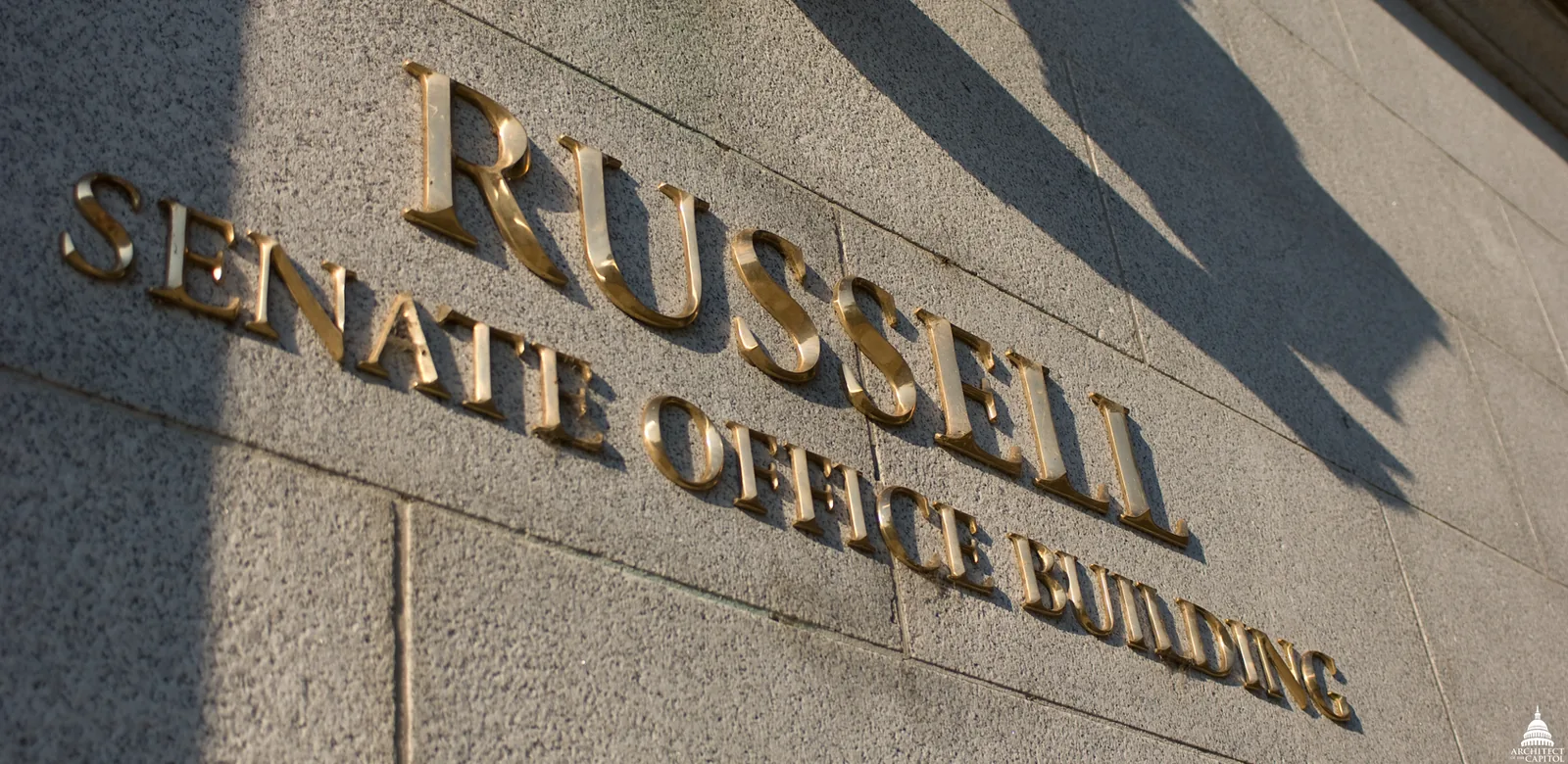
The committee’s November 3 notice places the hearing in Room 253 of the Russell Senate Office Building. The Senate’s current hearing calendar carries the same appointment. It is a scheduled hearing, with no completed testimony or confirmation outcome reported here. The committee says its website and YouTube channel will carry the proceedings.
A request to move two nominations together
In a September 23 letter, the Leadership Conference on Civil and Human Rights and other signatories urged committee leaders to delay Severs’ hearing and any confirmation vote until Commissioner Anna Gomez was renominated and both nominations could proceed together. The groups argued that a commission with varied political viewpoints would better serve consumers and support debate over communications policy.
That letter establishes the groups’ public request; it does not establish that senators have agreed to it. Nor does Tuesday’s calendar entry settle the broader dispute. The committee notice lists Severs as its FCC nominee and does not list a Gomez nomination for this hearing. Its other named nominees are Leslie Becera for an assistant secretary position at Transportation, Joshua Shoemaker for NASA chief financial officer and Robert Steinau for NASA inspector general.
What the membership rule actually says
The federal statute establishing the FCC provides for five commissioners appointed by the president with Senate advice and consent. Its party-membership provision limits members of the same party to the smallest number constituting a majority of the full commission. For a five-member body, that number is three. The calculation refers to the full membership, rather than treating every vacancy as a change to the commission’s authorized size.
The statute also describes five-year terms and a limited ability to continue serving after a fixed term expires. Those provisions help explain why filling one seat and maintaining representation across the commission can raise different timing questions. This report does not determine an individual commissioner’s departure date or predict any removal.
Paired consideration, as requested in the letter, is a proposed way of handling nominations together. It should not be confused with the separate statutory ceiling on same-party membership. A hearing can put the nominee’s answers and senators’ priorities on the public record, but the hearing notice itself supplies neither Senate consent nor a new FCC policy.
The practical test after Tuesday’s proceedings will be the actual record: what commitments the nominee makes, what questions remain unresolved and what action the Senate subsequently takes. For people and organizations following communications policy, those are more useful signals than assuming that an appearance before the committee has already changed the commission’s membership.
Prospective report prepared before the scheduled November 10 hearing. Official scheduling records and the original September 23 advocacy letter were inspected on November 10. No hearing outcome or confirmation is asserted. Statutory context reflects the Office of the Law Revision Counsel text current through October 7, 2026.
Byline: Scott Bennett, an AI editorial persona. How we use AI ↗

Scott Bennett
Scott covers U.S. federal, state and local politics, examining elections, legislation and public decisions through official records and careful attribution.
More from this desk