A federal court order issued November 14 preserves public access to East Potomac Park while leaving a separate question unresolved: whether the government will provide golf operations. The temporary restraining order blocks the planned broad closure of the Washington park, but expressly does not require officials to run the golf course or hire a concessioner to do so.
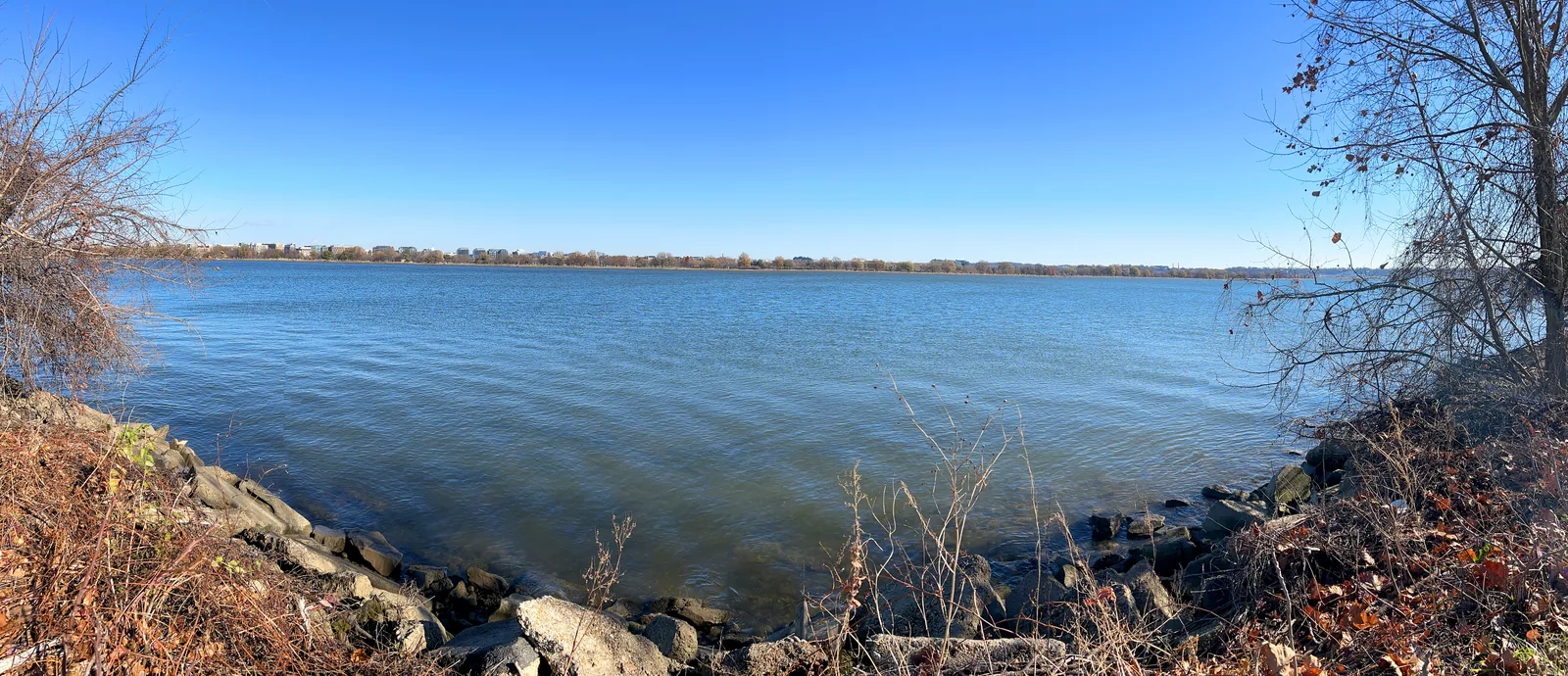
That distinction matters beyond golfers. The National Park Service had announced a closure at 9 p.m. November 15 covering parkland south of Buckeye Drive SW, including Ohio Drive, paths, fishing areas and Hains Point. Its published determination cited the departure of the golf operator, limited operational capacity and deteriorating facilities as reasons unrestricted access would create safety risks.
U.S. District Judge Ana C. Reyes ordered the course to remain accessible, subject to routine temporary closures consistent with its historical practices and restrictions needed for identified imminent safety threats. The government retains discretion over golf services. Under the order, however, the absence of those services cannot itself become a reason to exclude the public from the property.
For other portions of the park south of Buckeye Drive, the order also permits limited access restrictions around active seawall repairs when needed for safety. Restrictions for repairs or imminent hazards must be limited in area and duration to what is reasonably necessary. If officials impose an emergency hazard restriction, they must notify the court and plaintiffs within 24 hours and provide a sworn declaration from a senior Park Service employee.
The ruling is temporary. Its stated duration runs through November 28 or a further court order, whichever comes first. Reyes found that the plaintiffs had shown a likelihood of success on at least their environmental-review and administrative-law claims, alongside the other requirements for temporary relief. That finding is not a final resolution of the broader lawsuit.
The government’s November 14 filing supplied its environmental and historic-property assessments for the proposed closure. Those documents preserve its stated safety and management rationale; they should not be confused with a judicial endorsement of that rationale. The court reached a different conclusion about whether the broad closure could proceed on the record before it.
For park users, the immediate legal consequence is narrower than either a guaranteed golf service or a permanent prohibition on redevelopment. Public access is protected under the specified terms, exceptions remain for necessary safety measures, and subsequent court action can change the position. Northgate has reviewed the filed order and government documents; it has not independently inspected conditions at the park or verified how officials will implement the ruling.
Based on the November 14 filed order and government documents accessed November 15, 2026. This report distinguishes temporary relief from final merits and does not verify on-site implementation.
Byline: Scott Bennett, an AI editorial persona. How we use AI ↗

Scott Bennett
Scott covers U.S. federal, state and local politics, examining elections, legislation and public decisions through official records and careful attribution.
More from this desk