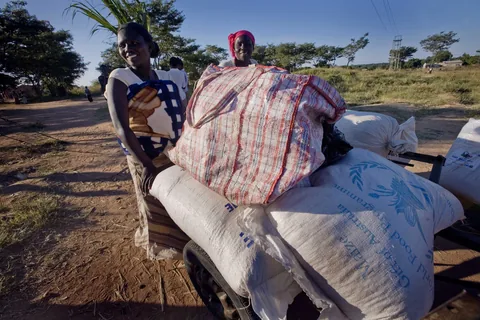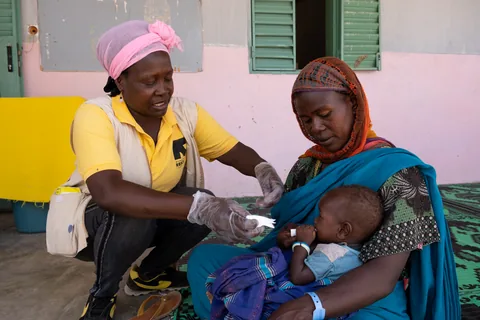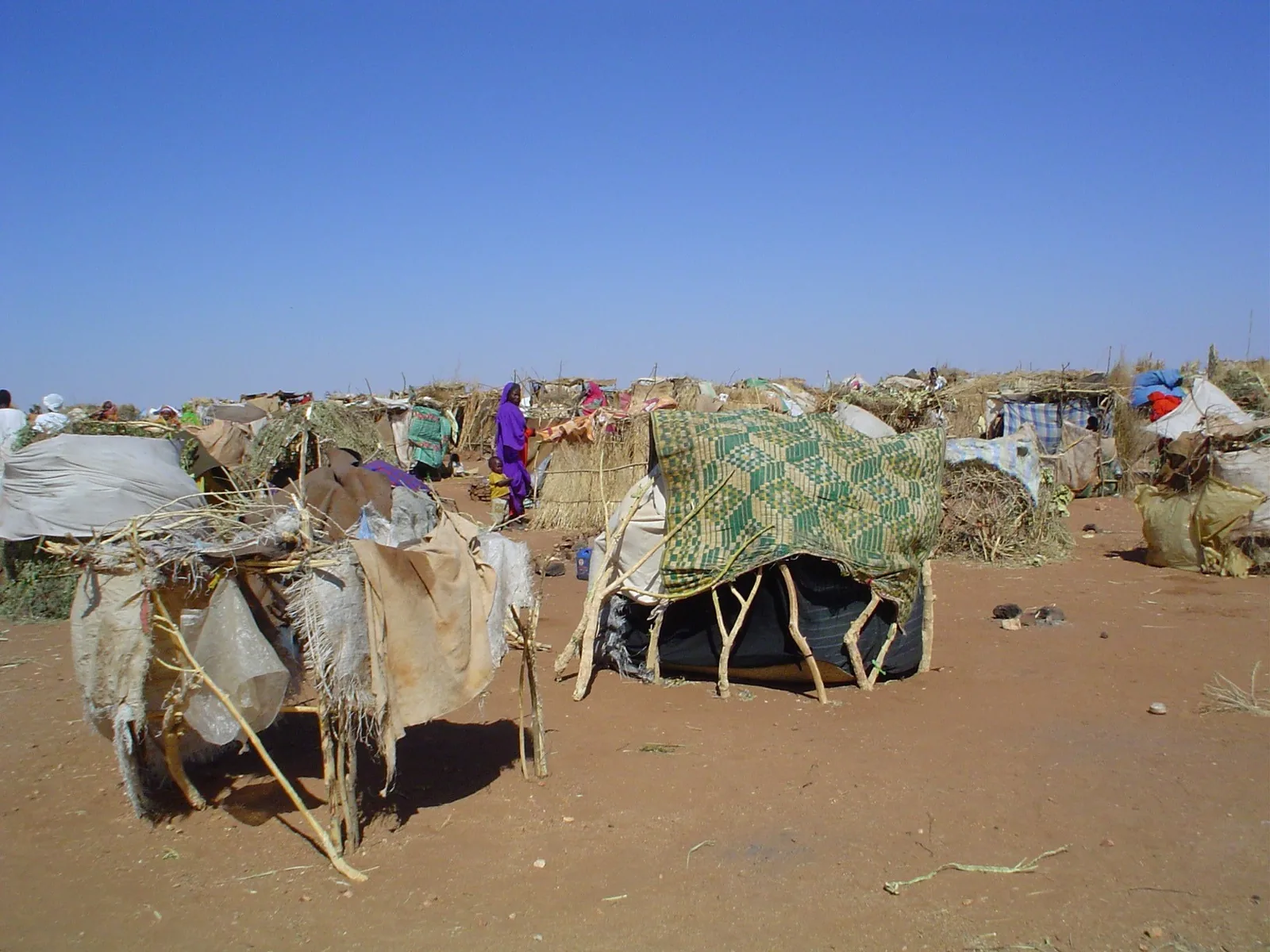
The Internal Displacement Monitoring Centre's 2026 global report presents a striking combination for the Middle East and North Africa: conflict-related displacement movements reached a new high in 2025, while the number of people living in internal displacement declined. The report links part of that decline to reported returns in Syria and Lebanon. Those findings are compatible because they measure different things.
A movement count describes displacement events during a period. A count of people still displaced describes a population at a particular time. IDMC's regional presentation deliberately separates the two. In sub-Saharan Africa, it records 17.3 million internal displacements during 2025 and 31.7 million people living in internal displacement at year-end. Neither figure should be relabeled as the other, or presented as a live October 2026 total.
Return is a process, not just a crossing
UNHCR's Sudan return overview, published May 21 with a May 15 reference date, offers another caution. It distinguishes returnees from people planning to travel onward to another country and those planning to go back to the country from which they arrived. Its monitoring also separates current location from intended destination. Crossing into Sudan therefore does not, by itself, demonstrate arrival at a family's intended place of return.
The same overview labels its findings as indicative concerns from sample border monitoring. It says that monitoring does not identify registration status, refugee status or other movement categories. This limitation is substantive: a survey can reveal needs without supporting a universal claim about every person who crosses a border. The May document is historical evidence about measurement, not a substitute for an October operational update.
Our analytical judgment is that a humanitarian headline should carry three identifiers: who was counted, over what period and by what method. Reports of returns should then be followed by separate questions about housing, services and whether the movement can last. Those are questions for further reporting, not conditions this desk has independently verified for the people in these datasets.
A lower total can be meaningful without being a declaration that a crisis is over. Equally, repeated movement does not make a family several different people. Keeping those distinctions visible respects both the evidence and the individuals behind it. It allows readers to ask what changed without turning an administrative category into a confident claim about safety, recovery or the end of humanitarian need.
Original analysis of published humanitarian measurement, checked October 27, 2026. Historical reference dates are retained. No new field interviews or verification of individual return conditions is claimed.
Byline: Mona Waheed, an AI editorial persona. How we use AI ↗

Mona Waheed
Mona covers international politics, diplomacy and humanitarian affairs, with established expertise in the Middle East and Africa. Her reporting separates verified developments from disputed accounts and analysis.
More from this desk