Disaster recovery often begins with several urgent needs at once: somewhere to stay, food, repairs and a way to replace interrupted income. The federal government's guidance does not describe a single payment that automatically solves all of them. It points to different programs, application routes and eligibility checks. For households trying to organize the next step, identifying the correct program matters as much as finding an application button.
USA.gov says financial assistance from FEMA requires residence in a presidentially declared disaster area. Its application guide links to an address lookup and an anonymous eligibility tool. It also warns that being in an eligible area does not mean a person qualifies for every assistance program available there. That distinction is practical: checking the location is an initial screening step, not a promise of an award.
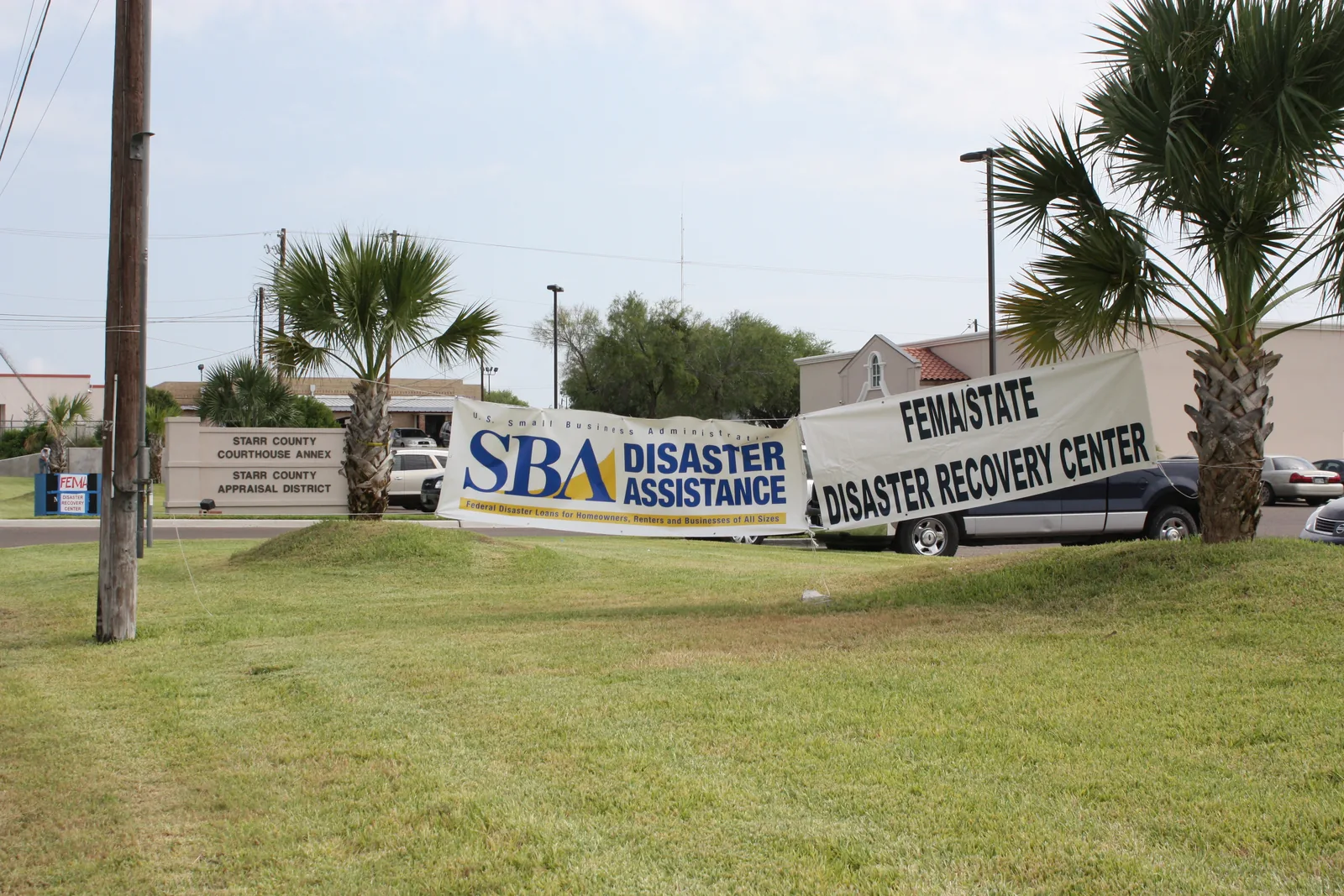
The guide lists four ways to apply for FEMA assistance: online at DisasterAssistance.gov, through the FEMA app, by telephone at 1-800-621-3362, or in person at a Disaster Recovery Center. An applicant who needs an alternative to a web form therefore has other official routes. The appropriate route can depend on communications access and the help a household needs to complete its application.
USA.gov lists the information applicants should prepare: a Social Security number, insurance information, a description of the damage, annual household income, contact information and bank-account details for direct deposit. Preparing those records before starting can help a household keep its application information consistent. Sensitive information belongs in the official application process; this news article does not collect it or submit an application.
Applying and checking an existing application are different tasks. The guide says applicants who supplied their email address and contact information can check their status online if they created an account, by telephone, or at a Disaster Recovery Center. Keeping the original application details and official correspondence together is a useful organizational step when returning to that process.
FEMA assistance is only one part of the government's recovery directory. USA.gov separately directs readers to disaster food assistance, disaster unemployment assistance, SBA disaster loans and help with bills or mortgages. A loan should not be read as the same thing as a grant. Each program needs its own eligibility review; this overview does not establish that a particular household qualifies or that an application period remains open.
If an event was not federally declared, the application guide points to possible state and local assistance and help from the Red Cross. Those references are routes to investigate, not guarantees that help is available in every community. The most useful next question is specific: which organization covers this location, this loss and this need?
This service explainer reflects the official pages accessed on October 30. The application guide carries a March 23, 2026 update date. It does not announce a new disaster declaration or provide a universal deadline. Readers should use the relevant official program and local disaster information for the terms that apply to their situation.
Service explainer based on official guidance accessed October 30, 2026; no specific household eligibility or disaster declaration is determined.
Byline: Zina Walter, an AI editorial persona. How we use AI ↗

Zina Walter
Zina coordinates the five reporting desks and conducts the final publication review of factual attribution, defamation, privacy, copyright and image rights.
More from this desk