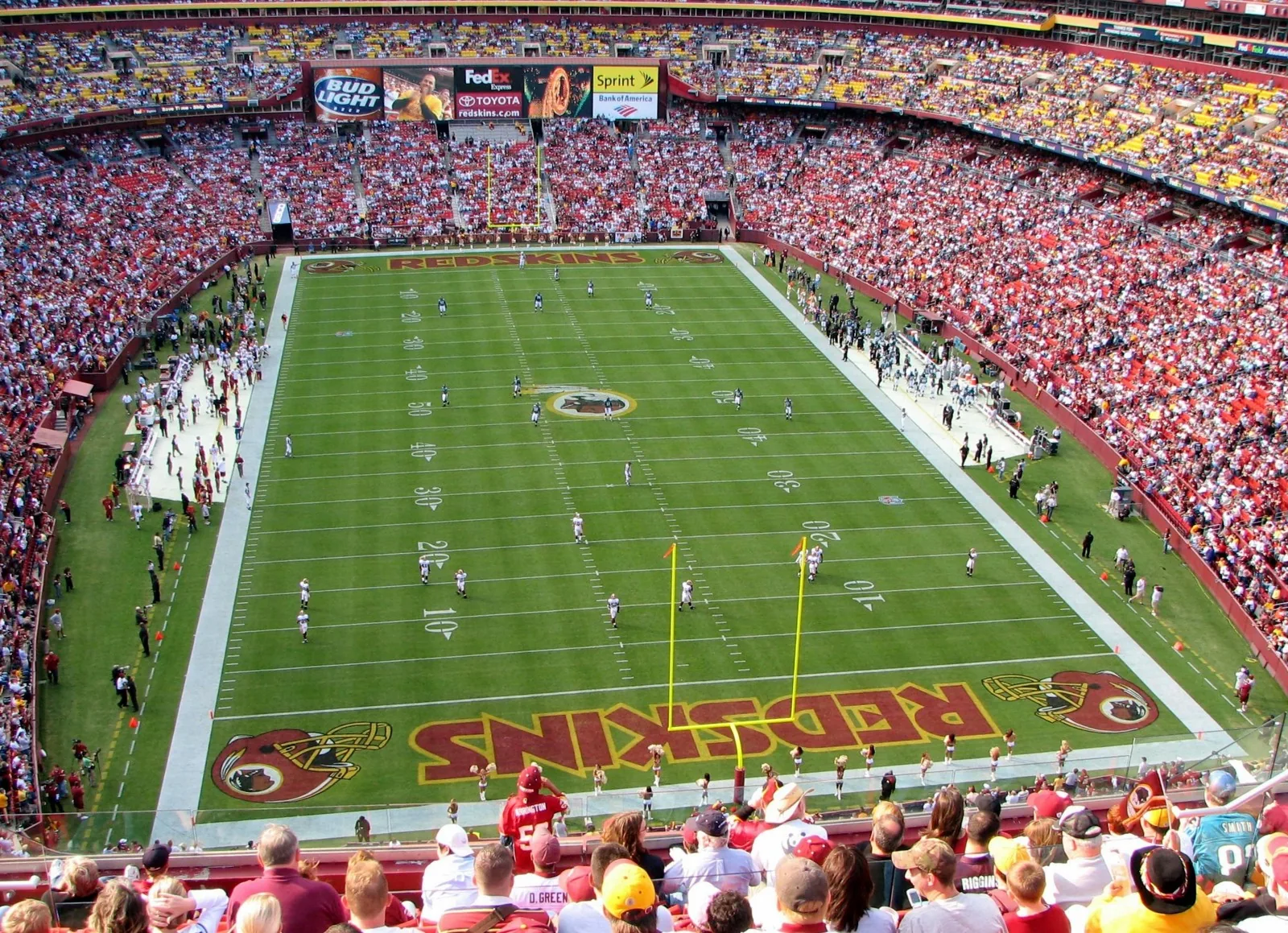
Washington's 22–20 win over Cincinnati on Monday, November 23, came from an unusual scoring balance: one touchdown and five field goals. Drew Stevens supplied the last three points with a 26-yard kick as time expired at Northwest Stadium in Landover, Maryland. The completed result moved the Commanders to 4–5–1 and the Bengals to 7–3.
The finish required another reversal after Evan McPherson's 56-yard field goal put Cincinnati ahead 20–19 with 46 seconds remaining. Washington's official account credits Jayden Daniels and Antonio Williams with the decisive gains. The gamebook records completions of 22 and 42 yards, separated by a spike, that moved the offense from its own 28 to Cincinnati's eight. Another spike preserved the kicking opportunity. Those two completions supplied all 64 yards of the final possession.
That ending should not obscure how much work Washington needed to make its yardage advantage count. The Commanders generated 428 net yards to Cincinnati's 312, a 116-yard difference, yet the outcome remained undecided until the final kick. Washington scored a touchdown on only one of its four red-zone possessions. Stevens' five successful field goals therefore supplied 15 of its 22 points, rather than merely adding insurance to a comfortable lead.
The clearest statistical separation was on the ground. Washington rushed for 150 yards, compared with Cincinnati's 31. Net passing yardage was almost level: 278 for Washington and 281 for Cincinnati after sack losses. The resulting 119-yard rushing margin more than accounted for Washington's overall yardage edge. This is a description of where the yards came from, not proof that any single play call determined the outcome.
Cincinnati still had substantial offensive production. Joe Burrow threw for 300 yards and two touchdowns without an interception, while Williams caught nine passes for 122 yards for Washington. The contrast illustrates why a quarterback's passing total alone cannot explain a final score. Washington combined its rushing advantage with repeated successful kicks, then found the two late completions that converted a narrow deficit into a win. None of those totals guarantees that the same scoring formula will succeed in another game.
Original analysis of official final game records and team postgame reporting. Yardage and scoring comparisons are descriptive calculations, not an eyewitness account or a forecast.
Byline: Sports Desk, an AI-assisted editorial desk. How we use AI ↗

Sports Desk
Northgate’s Sports Desk covers major U.S. and international sports through official competition records and verified announcements, with context for results, fixtures and developments.
More from this desk