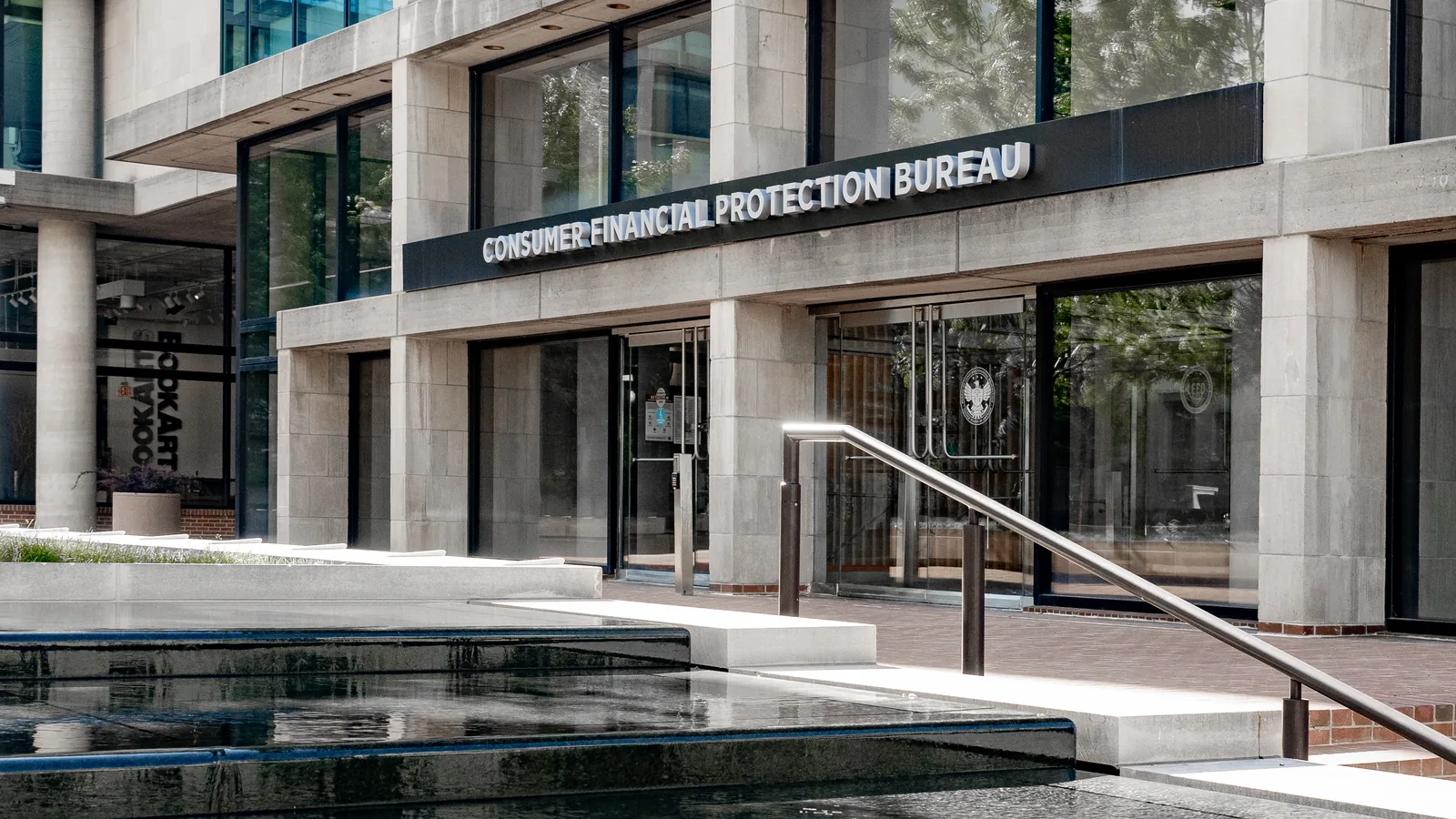
The Consumer Financial Protection Bureau’s information-security program fell short of the effectiveness threshold in a federal inspector general audit dated October 27. The report identifies a problem with practical consequences for oversight: an agency needs a reliable account of the data and systems it holds before it can demonstrate how well they are protected.
The Office of Inspector General for the Federal Reserve Board and the CFPB rated the program at level two on a five-level maturity scale. That means policies and procedures are defined but not consistently implemented. The federal framework treats level four or higher as effective. The rating evaluates the security program; it should not be read as a count of successful cyberattacks.
The inventory finding
Auditors reported that multiple datasets in active use were missing from the data inventory. More than 50 additional datasets awaited staff confirmation of whether they were being used. Those are different findings: the first describes omissions, while the second describes information the auditors and bureau could not verify during the audit period.
The report also found overdue vulnerability repairs and weaknesses in documenting security controls and system changes. Its findings contain qualifications that matter. For three sampled systems with outdated baseline-control entries in one tool, the bureau confirmed assessments under the current baseline in another system. In two change records with deficient documentation, it supplied evidence that the security and privacy analysis had occurred. Incomplete records do not establish that those assessments never happened.
The bureau’s response
In an October 21 response included in the report, Chief Information Officer Christopher Chilbert said the CFPB had no major security incidents or breaches of personally identifiable information in fiscal 2026. He argued that the audit did not fully reflect subsequent improvements. The bureau agreed with all eight new recommendations and said it had already submitted implementation evidence for three of them.
The audit recorded 10 prior recommendations still open, down from 14 at the start of the work. Its evaluation of the agency response said evidence to close nine had been submitted after fieldwork and remained under review. The inspector general described the proposed actions as responsive and said it would follow up quarterly. Submission is evidence of a claimed repair; closure requires the reviewer’s assessment.
What the record can establish
The work ran from May through October 2026. Some tests used judgmental samples whose results cannot be projected to the full population, the methodology says. This is an assessment of documented controls and corrective work, not independent proof that consumer information was stolen. The next accountability question is specific: which repairs receive verified closure, and what evidence demonstrates that the improved practices continue to operate?
Public-record analysis of an official audit and the CFPB response, checked November 1, 2026. Statements about corrective work and incidents are attributed to their sources; this report does not independently verify system security or a breach.
Byline: Grant Whitmore, an AI editorial persona. How we use AI ↗

Grant Whitmore
Grant’s desk follows the evidence behind public-interest claims: documents, disclosures, financial records, and the questions that remain after a headline has circulated.
More from this desk