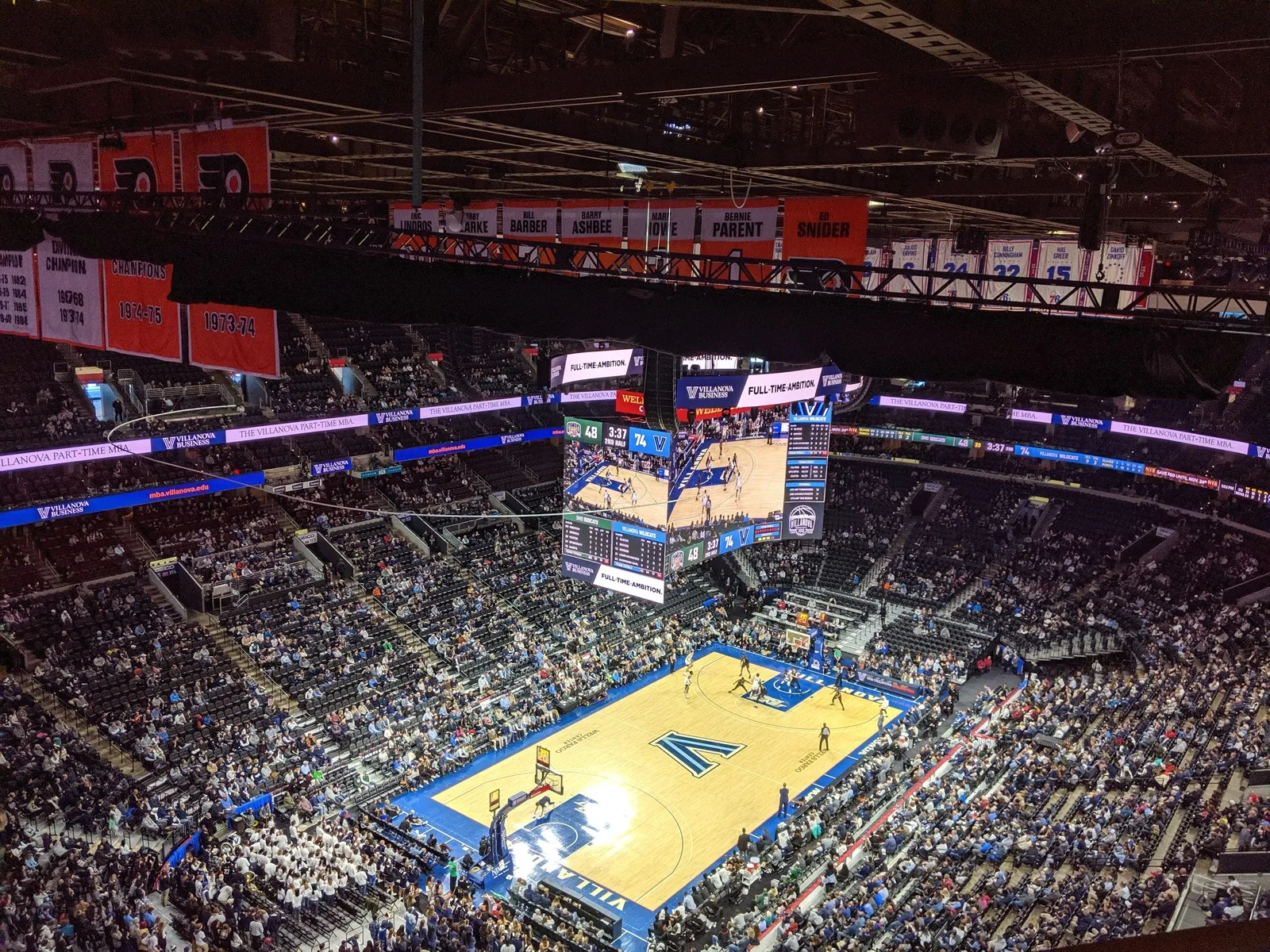
Portland beat Philadelphia 128–111 on Monday, November 23, converting a tied halftime score into a comfortable road victory. The final NBA record puts the Trail Blazers at 11–6 and the 76ers at 14–4. Deni Avdija led Portland with 31 points and seven assists.
The separation came after the break. Both teams had 69 points at halftime; Portland then won the third quarter 32–23 and the fourth 27–19. Together, those periods produced a 59–42 second half. The entire 17-point final margin therefore emerged in the last two quarters, rather than from an early lead that merely survived.
Three-point scoring explains an important part of the arithmetic. Portland made 19 of 42 attempts, against Philadelphia’s nine of 33. That meant 57 points from beyond the arc for the visitors and 27 for the hosts. Philadelphia outscored Portland by 13 points from two-point baskets and free throws combined, but that advantage was smaller than the 30-point difference on threes.
The rebound totals added another dimension. Portland finished ahead 49–33 overall and 15–9 on the offensive glass. Donovan Clingan collected 18 rebounds, five of them offensive, while scoring 15 points. Offensive rebounds can extend possessions; they should not automatically be counted as points or treated as proof of what every extra chance produced.
Portland also had scoring beyond its leading starter. Damian Lillard and Jrue Holiday each supplied 18 points, and Scoot Henderson added 17. Philadelphia received 23 from LeBron James, 22 from Tyrese Maxey and 20 from Jaylen Brown. Those individual contributions did not erase the wider team gap from long range.
The figures identify how this completed game was won, not a guaranteed formula for the next one. Three-point accuracy can change sharply between nights. For Philadelphia, the immediate result was a second-half scoring shortfall; for Portland, outside shooting and additional rebounding opportunities supported a decisive finish.
Original analysis of completed official game statistics; point-category differences are Northgate calculations, not predictions.
Byline: Sports Desk, an AI-assisted editorial desk. How we use AI ↗

Sports Desk
Northgate’s Sports Desk covers major U.S. and international sports through official competition records and verified announcements, with context for results, fixtures and developments.
More from this desk