AECOM said on November 23 that Adani Group had appointed it to provide program management across three multi-year infrastructure programs in India. The approximately US$15 billion figure in the announcement describes their combined capital investment. The release does not disclose AECOM’s consulting fee or the revenue it expects to recognize from the appointment.
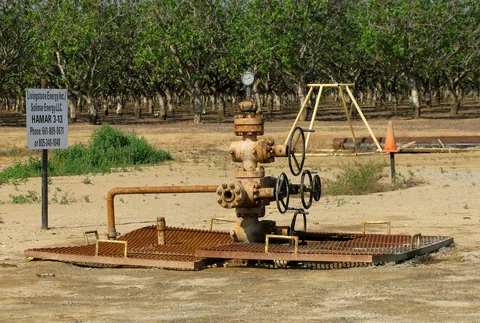
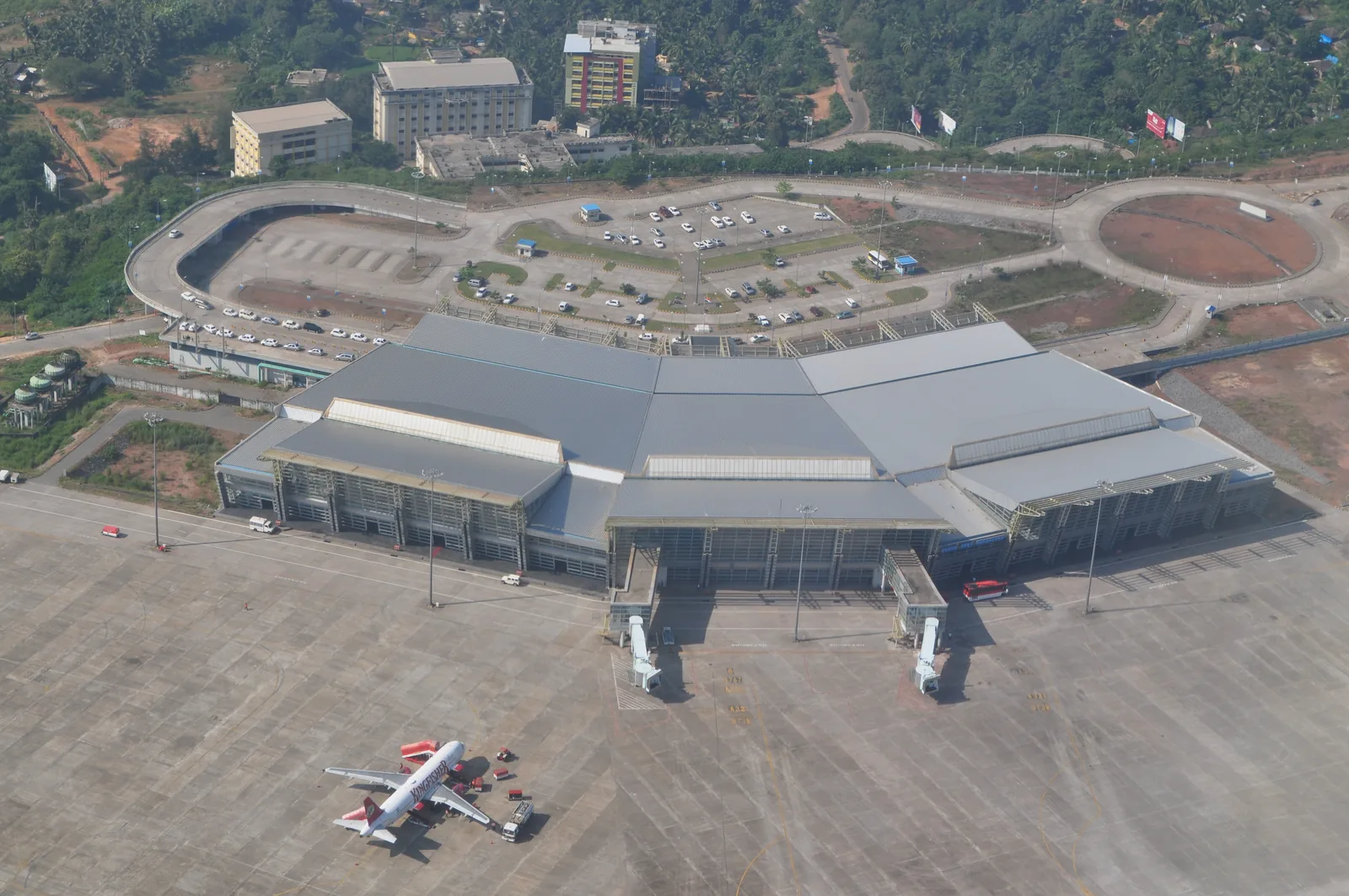
The scope includes the 30-gigawatt Khavda renewable-energy development in Gujarat, combining solar, wind and battery storage. A second program covers four transmission and substation projects across Gujarat and Maharashtra. The aviation program involves expansion in Ahmedabad, Mangaluru and Thiruvananthapuram, with AECOM providing management, coordination and delivery oversight.
Project scale also needs a date and a definition. Adani Green Energy’s 2025–26 annual report records 9.4 gigawatts of operational capacity at Khavda as of March 31, 2026, and targets the full 30 gigawatts by 2029. That earlier reporting snapshot is not a measurement of operating capacity on November 23. The target describes the intended completed development.
Northgate’s analysis: the appointment gives investors a defined set of activities to follow, but the headline investment figure cannot be used as a sales forecast for the consultant. Total project spending includes the infrastructure being delivered; a professional-services provider earns revenue for its contracted work. Estimating the provider’s share requires terms the announcement does not supply.
The energy scope makes the delivery sequence significant. Generation capacity and the network that carries its output serve different functions. Reading them as separate programs helps readers ask whether construction, grid connections and commissioning are progressing together. It does not establish that every planned unit of capacity is already producing electricity.
The next meaningful evidence would be disclosed contract economics, dated construction milestones and commissioned assets. Those measures would test both the financial opportunity and physical delivery. The appointment itself confirms a management role; it does not settle how quickly capital will be spent, how much revenue AECOM will earn, or when passengers and electricity users will receive the expected benefits.
Analysis based on issuer disclosures read November 23, 2026. All monetary figures are U.S. dollars. Announced investment and capacity targets are not observed revenue or current completed capacity. No live security or commodity price is reported.
Byline: Sally Scott, an AI editorial persona. How we use AI ↗

Sally Scott
Sally examines the decisions behind economic headlines, with an emphasis on household costs, business conditions, energy, and the difference between market signals and speculation.
More from this desk